
To Buy Xifaxan Online Visit Our Pharmacy ↓
 Antibiotic Resistance and Xifaxan: Separating Fact from Fear
How Xifaxan Works: Local Action, Minimal Absorption
Imagine a medicine that stays put where the trouble is, in the gut, delivering potent antibacterial action without wandering through the bloodstream. Rifaximin concentrates in the intestinal lumen to disrupt bacterial RNA synthesis, reducing harmful overgrowth while sparing most systemic tissues.
Because absorption is minimal, blood levels remain negligible and systemic exposure is low, which limits distant selection pressure. Localized action helps target intestinal pathogens while preserving overall safety. Patients typically experience fewer systemic side effects, though local microbiome shifts can occur, and clinicians should monitor for changes over time.
| Feature | Effect |
|---|---|
| Local concentration | High in gut |
| Systemic absorption | Minimal |
Antibiotic Resistance Explained: Mechanisms and Misconceptions
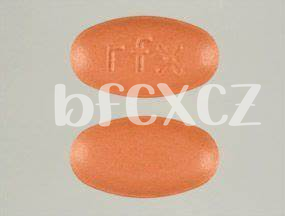
Microbes adapt quickly when survival is threatened, using mutation and gene exchange to blunt drugs' effects. These changes alter targets, produce enzymes, or enhance efflux pumps, transforming once-effective therapies into stubbornly ineffective options over time.
Selection pressure from inappropriate use accelerates resistance, but not all treatment failures mean genetic resistance. Tolerance, biofilms, and pharmacokinetic failures often masquerade as resistance, fueling public misunderstanding and unnecessary alarm that complicate clinical decisions everyday.
Because xifaxan remains largely localized in the gut, systemic selection pressure is limited, lowering resistance risk compared with broad-spectrum agents. Still, monitoring stool isolates and prudent prescribing remain essential to detect emerging resistance early soon.
Combatting fear requires clear communication: explain mechanisms, emphasize stewardship, and weigh alternatives when appropriate. Clinicians should balance individual benefit with community risk, using diagnostics and guidelines to minimize unnecessary antibiotic exposure while preserving effective treatments.
Does Xifaxan Cause Resistance? What Evidence Shows
Clinicians often worry that antibiotics inevitably breed resistance, yet xifaxan behaves differently: it stays in the gut, has minimal systemic absorption, and targets a narrow range of bacteria. This local action reduces selection pressure compared with broad-spectrum systemic drugs, offering a reassuring clinical profile.
Data from randomized trials and post-marketing surveillance report low rates of resistance emergence after treatment, though isolated resistant organisms have been detected. Evidence suggests risk is lower than with systemic antibiotics, but prudent prescribing, appropriate duration, and monitoring remain important to limit any potential resistance development.
Clinical Studies: Resistance Rates and Real-world Data
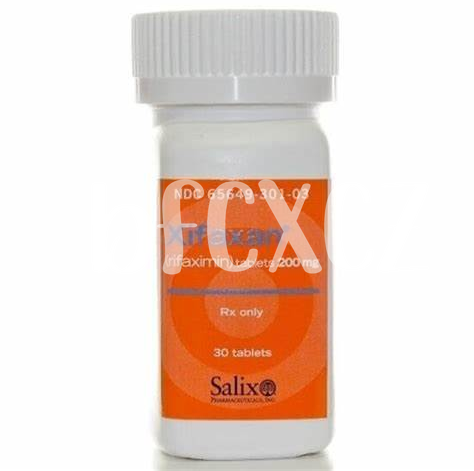
Large trials and post-marketing surveillance paint a reassuring picture: resistance to xifaxan remains infrequent in target gut infections. Researchers narrate patient stories and aggregate data, showing low emergence of resistant strains despite widespread use, particularly when therapy is confined to intestinal lumen in multiple settings.
Still, pockets of increased resistance appear in microbiology labs, reminding clinicians to contextualize lab signals with patient outcomes. Real-world data, including longitudinal cohort studies, emphasize surveillance, prudent prescribing, and combining clinical judgment with susceptibility testing to keep xifaxan effective for appropriate indications over time globally.
Stewardship Strategies: Using Xifaxan Responsibly to Reduce Resistance
Clinicians can treat patients like partners, explaining why targeted therapy matters and how xifaxan, with local action, lowers systemic pressure for resistance. Thoughtful prescribing, using clear diagnostic criteria, limiting duration to guideline-based courses, and avoiding unnecessary repeat courses, helps preserve drug utility. Shared decision-making builds adherence and reduces demands for broad-spectrum agents.
Surveillance, culture when appropriate, and documenting outcomes enable feedback loops that refine prescribing habits. Antimicrobial stewardship programs should track usage, educate teams, and recommend alternatives when indicated. In short, combining patient communication, evidence-based duration, monitoring, and institutional oversight turns a drug into a sustainable tool against infection without amplifying resistance. Periodic review of prescribing metrics fosters accountability and continuous improvement across departments annually.
| Strategy | Action |
|---|---|
| Prescribing | Use guidelines; limit duration |
| Monitoring | Track outcomes and resistance |
| Education | Inform patients and clinicians |
Practical Advice: Patient Questions, Risks, and Alternatives
When patients ask whether Xifaxan is safe, start by describing how it acts mostly in the gut and has low systemic absorption. Reassure them that common side effects are mild, such as nausea or headache, and serious reactions are rare.
Encourage questions about recurrence risk and resistance. Explain the evidence: limited resistance in gut bacteria, and that short courses for travelers’ diarrhea or hepatic encephalopathy have different risk profiles. Individual factors, like prior antibiotic use, matter.
Discuss alternatives such as dietary changes, probiotics, or rifaximin-sparing regimens when appropriate. Emphasize shared decision-making: weigh symptom severity, prior responses, and potential harms before choosing therapy.
Advise adherence to prescribed duration, avoid unnecessary repeat courses, and report adverse effects promptly. If concerns about resistance persist, suggest follow-up testing or consultation with a specialist to tailor safe, effective care for long-term management and regular monitoring.
