
To Buy Xenical Online Visit Our Pharmacy ↓
 Xenical Vs Other Weight Loss Drugs
How Xenical Works Compared to Other Medications
I once felt lost amid studies until a clear analogy helped: some drugs block nutrient absorption, others curb appetite or speed metabolism, and each carries trade-offs and consequences.
Xenical inhibits pancreatic lipase, preventing digestion and absorption of roughly a third of dietary fat; its action is local in the gut and largely avoids systemic effects for users.
By contrast, appetite suppressants act on the brain to reduce hunger, while GLP-1 agonists enhance satiety and slow gastric emptying, yielding different efficacy and side-effect patterns for many patients.
Practically, choosing depends on diet, medical history and tolerance: fat-blocking requires dietary fat intake, centrally acting agents need monitoring, and all need lifestyle commitment for lasting results and support.
| Drug/Class | Primary Mechanism | Notes |
|---|---|---|
| Xenical (orlistat) | Pancreatic lipase inhibitor — reduces fat absorption | Local gut action; GI side effects if high fat intake |
| Phentermine | Sympathomimetic — suppresses appetite via central pathways | Short-term use; stimulant effects and monitoring needed |
| GLP-1 agonists (e.g., semaglutide) | Enhances satiety, slows gastric emptying, affects glucose metabolism | Injectable; strong weight loss; metabolic benefits |
Efficacy: Weight Loss Results Across Popular Drugs
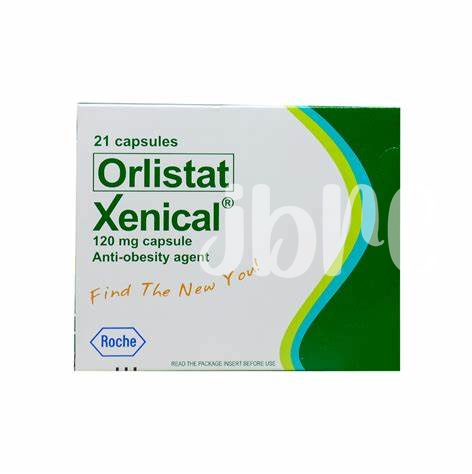
Patients often wonder which prescription will move the needle most. In trials, glucagon-like peptide-1 agonists (semaglutide, liraglutide) produce the largest mean losses—often 10–15% body weight with semaglutide—while phentermine/topiramate gives strong early reductions around 7–10%. xenical (orlistat) and naltrexone–bupropion yield more modest averages, typically 3–5%.
Real-world results vary: adherence, dose, and combination with lifestyle changes shift outcomes dramatically. Weight regain is common after stopping medication, especially without sustained diet and exercise.
Choosing a drug balances expected percent loss, side effects, cost, and health goals. Discussing individual medical history with a clinician narrows which option will likely deliver meaningful, durable results. Long-term monitoring and adjustments improve outcomes and reduce risks, making therapy safer and more effective.
Side Effects Showdown: Tolerability and Safety Profiles
Many patients notice immediate, visible effects on digestion when starting xenical, especially oily stools and urgency; these reflect its mechanism and are usually manageable with dietary adjustments and support.
By contrast, GLP-1 agonists frequently cause nausea, vomiting, or slowed gastric emptying, while sympathomimetic agents can increase blood pressure or heart rate; long-term safety profiles still evolve over time.
Laboratory monitoring and attention to contraindications matters: xenical may reduce absorption of fat‑soluble vitamins, warranting supplementation; other drugs require metabolic, cardiac, or renal surveillance depending on class and dosing.
Choosing safer options involves balancing side effects with benefits, discussing goals and risks with clinicians, and tailoring therapy to comorbidities, pregnancy plans, and individual tolerance and lifestyle preferences.
Cost, Accessibility, and Insurance Coverage Differences
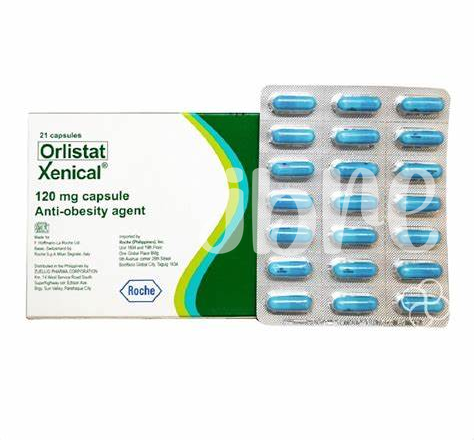
Shopping for weight-loss medication feels like navigating a marketplace. Older drugs such as xenical and its generic orlistat are often cheaper or available OTC in lower doses, while newer GLP-1 injectables command higher prices and clinic visits. Generics, pharmacy discount cards and online retailers can markedly reduce out‑of‑pocket expense compared with branded injectables.
Insurance coverage varies widely: many plans exclude weight-loss drugs, and Medicare typically won’t pay for them absent other indications. Employers and commercial insurers sometimes approve coverage when obesity-related illnesses exist, but expect prior authorization and step therapy. To bridge gaps, patients use manufacturer savings, patient-assistance programs, coupons, or switch to generics; telehealth can also simplify access to prescriptions and ongoing follow-up care.
Lifestyle Fit: Diet, Exercise and Long Term
Imagine mornings when small choices determine progress: pairing xenical with a balanced, lower-fat plate reduces gastrointestinal surprises while helping fat absorption decline. Combine that with moderate daily activity—walking, resistance training twice weekly—and you’ll protect lean mass and amplify results. Medications are tools, not substitutes; they work best when routines reinforce portion control, protein focus, and consistent movement.
Long-term success depends on realistic expectations, follow-up with clinicians, and adjusting calories as weight changes. Some drugs require more frequent monitoring; others affect mood or absorption of vitamins, so schedule periodic labs and discuss supplementation. Embrace flexible strategies—meal planning, habit stacking, sleep optimization—to turn short-term wins into sustainable lifestyle patterns that outlast any single prescription for lasting health.
| Aspect | Tip |
|---|---|
| Diet | Limit high-fat meals; focus on whole foods |
| Exercise | Combine cardio and resistance, aim for 150 min/week |
Choosing Right Drug: Personalized Factors and Advice
Deciding which medication fits you starts with a clear picture of your health: BMI, diabetes, heart disease, liver issues and medications shape safe options. A doctor can weigh benefits of fat absorption blockers versus appetite suppressants given those risks.
Personal preferences matter — some people prefer pill simplicity, others accept injections for greater weight loss. Consider how side effects affect daily life: digestive upset, nausea or mood changes may dictate choice.
Practicalities like cost, insurance coverage and access influence long term adherence; an effective drug won’t help if you can’t afford or tolerate it. Plan for follow up to monitor labs and adjust dose.
Finally, combine medication with realistic diet, activity and behavioral support. Shared decision making with your clinician ensures a personalized plan rather than a one size fits all cure. Include mental health, sleep and stress management in planning.
