
To Buy Valtrex Online Visit Our Pharmacy ↓
 Valtrex Vs Acyclovir: Which Is Better?
How Each Antiviral Works: Mechanisms and Differences
Imagine the virus as a lock; valacyclovir arrives disguised and converts into acyclovir inside the body, while acyclovir is the active key already. That distinction changes absorption and dosing.
Both drugs inhibit viral DNA polymerase by acting as phosphorylated nucleotide analogues after activation; viral thymidine kinase phosphorylates the initial form, giving selectivity to infected cells.
Clinically this yields similar effectiveness against herpes viruses but different pharmacokinetics: valacyclovir provides higher oral bioavailability, producing greater plasma acyclovir levels, so dosing can be less frequent than with oral acyclovir.
| Drug | Activation | Oral | Bioavailability | ||
|---|---|---|---|---|---|
| Valacyclovir | Converted | to | acyclovir;liver | ||
| Acyclovir | Phosphorylated | in | infected | cells | |
| Typical | oral | bioavailability | ~55% | vs | ~15-30% |
Effectiveness Against Shingles, Genital, and Cold Sores
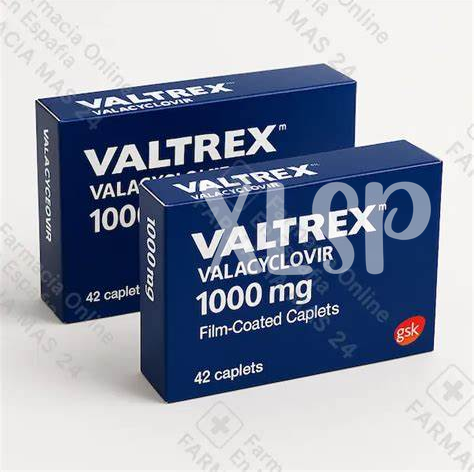
When a twinge signals an outbreak of shingles, starting antivirals early can change the course. Valtrex usually reduces pain duration and speeds lesion healing more consistently than oral acyclovir because its valacyclovir form converts to higher blood levels of the active drug. Both lower viral shedding, but valtrex’s improved absorption translates to simpler dosing and often better adherence.
For genital herpes, valtrex often shortens outbreaks and limits viral shedding when taken at symptom onset; episodic courses and daily suppressive therapy both show benefit. Acyclovir is effective too, especially when started quickly, but needs more frequent dosing which can be less convenient for long-term suppression.
Severe cases may require intravenous acyclovir under specialist supervision and monitoring.
Dosing Convenience: Pill Frequency and Treatment Length
I remember the relief of finding a simpler routine: one tablet in the morning, no midday juggling. For many, valtrex offers once-daily or twice-daily options, reducing missed doses compared with acyclovir’s more frequent schedule, habit.
During outbreaks, treatment length matters; valacyclovir often shortens the course to about seven days, which was manageable during recovery. Acyclovir typically requires a similar or slightly longer course but needs tighter dosing intervals each day.
For suppressive therapy the routine becomes a lifestyle choice; valtrex once-daily dosing made adherence feel simple, freeing mental energy for life. Acyclovir’s multiple daily doses can disrupt schedules and increase missed-dose risk significantly over time.
Talk with your clinician about renal adjustments and whether dose reduction is needed; I found a simple alarm kept me on track during a course. Convenience often tips the balance when choosing between options overall.
Side Effects, Safety Profile, and Drug Interactions
Many people report mild nausea, headache, or fatigue when taking valtrex, and these usually resolve as the episode passes. Larger or intravenous doses of acyclovir are more often linked with kidney stress—crystalluria and reduced renal function—so hydration and dose adjustment by creatinine clearance matter. Rare neurologic changes and allergic reactions can occur with either drug, particularly in older adults or those with impaired kidney function. and monitoring as needed.
Both agents are cleared by the kidneys, so they interact with other nephrotoxic medicines (for example, NSAIDs, aminoglycosides) and require dose reduction in renal impairment. Probenecid can slow renal elimination and raise levels, and concurrent immunosuppressants may increase adverse-event risk. Because individual risks vary, discuss current medications, pregnancy status, and kidney health with your clinician—this ensures the chosen antiviral balances effectiveness with the safest dosing for your situation. and follow-up testing.
Cost Comparison, Accessibility, Insurance, and Generic Options
Out of pocket prices vary widely: brand name valtrex is typically more expensive than generic acyclovir, which can reduce costs substantially for long term suppression. Pharmacy discount programs and coupons can narrow the gap for many patients.
Availability differs: older generics are stocked broadly at community pharmacies and online retailers. Some insurance plans prefer generics and will require higher patient cost sharing for brand alternatives.
| Drug | Typical cost (30-day) |
|---|---|
| Valtrex | $200+ |
| Acyclovir (generic) | $10-$50 |
Coverage varies; copays, prior authorization, and formularies influence outlays. Manufacturer assistance programs may lower costs for some.
Clinicians weigh efficacy versus affordability; patients with limited budgets often start with generic acyclovir or assistance.
Which Patients Benefit Most: Choosing the Right Antiviral
When Sarah faced a recurring cold sore and a busy workweek, convenience mattered more than a slightly lower price. Valacyclovir’s once- or twice-daily dosing improves adherence for frequent outbreaks or travelers, while acyclovir often suits cost-conscious patients who tolerate multiple daily doses or require intravenous therapy in severe or neonatal disease.
Immunocompromised people, hospitalized patients, and newborns usually need acyclovir IV because rapid high plasma levels are critical; valacyclovir is less appropriate in those emergencies. Conversely, patients with recurrent genital herpes, adherence challenges, or preference for simpler regimens typically benefit from valacyclovir’s improved bioavailability and dosing convenience.
Discuss recurrences, affordability, kidney function, pregnancy, and severity with your clinician to determine the best option for you.
