
To Buy Strattera Online Visit Our Pharmacy ↓
 Strattera Vs Stimulants: Key Differences Explained
How Strattera Works Differently Than Stimulants
A patient once said one medication felt like a sudden wake-up, while the other arrived quietly, like a slow dawn. That captures the core contrast clinicians observe in daily practice.
Atomoxetine is a selective norepinephrine reuptake inhibitor that raises norepinephrine levels in the prefrontal cortex, improving attention without dramatically boosting striatal dopamine and thus has less reinforcing effect.
By contrast, stimulant medications block dopamine and norepinephrine transporters and promote neurotransmitter release, producing faster, often stronger improvements in focus but with quicker onset of side effects too.
Clinically, that means dosing schedules, expectations, and monitoring differ: slower titration and patience suit atomoxetine, while stimulants may require shorter trials and abuse-risk screening and cardiovascular monitoring when appropriate.
| Aspect | Atomoxetine | Stimulants |
|---|---|---|
| Mechanism | Norepinephrine reuptake inhibition | Dopamine/norepinephrine reuptake blockade and release |
| Onset | Days–weeks | Minutes–hours |
| Abuse risk | Low | Higher |
Onset, Duration, and Dosing Comparisons Explained
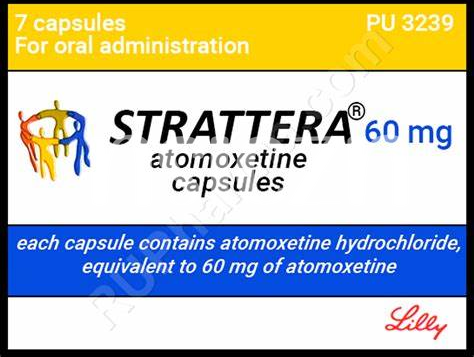
When someone needs quick focus, stimulants often act within 30–60 minutes and produce noticeable effects the same day. strattera, by contrast, works more gradually; meaningful improvement usually appears over several weeks as brain chemistry adjusts.
Short‑acting stimulants wear off in a few hours, while extended‑release formulas can cover school or work days. Strattera provides more consistent 24‑hour coverage after steady dosing, avoiding peaks and valleys.
Dosing strategies differ: stimulants allow flexible, often multiple daily doses or single long‑acting tablets, titrated quickly for symptom control. Strattera requires weight‑based start doses and slow titration to minimize side effects.
Choice hinges on urgency, routine, side‑effect tolerance and misuse risk; discuss goals and monitoring with your clinician when deciding.
Efficacy: Symptom Control and Real-world Outcomes
Clinical trials often place stimulants and nonstimulants head-to-head, showing rapid symptom reduction with stimulants while strattera produces gradual but meaningful gains in attention and impulse control over weeks.
Real-world studies emphasize functional outcomes: school or work performance, social interactions, and quality of life may improve similarly, though timelines and magnitude vary by patient characteristics and adherence.
Clinicians weigh speed of onset, side effects, and comorbidities; some patients benefit from switching or combining therapies, plus careful monitoring and shared decision-making optimize long-term, real-world success and functional recovery in daily life consistently.
Side Effects, Risks, and Safety Profiles Compared
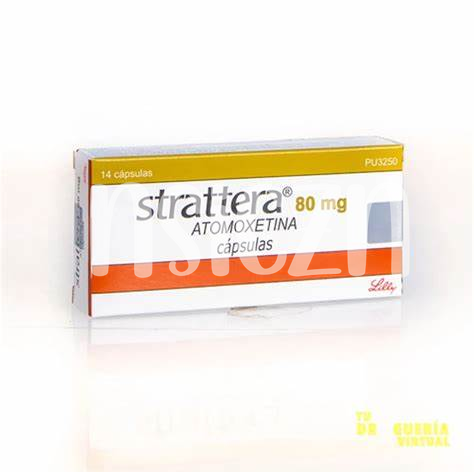
When choosing medications, side profiles shape decisions. strattera often causes dry mouth, tiredness, and occasional nausea, while stimulants typically produce insomnia and decreased appetite.
Cardiac and psychiatric risks differ: stimulants can raise heart rate and blood pressure and rarely trigger anxiety or psychosis; atomoxetine may carry warnings about suicidal thoughts in youth and rare liver injury.
Monitoring strategies vary, baseline vitals, growth checks in children, and mood screening help reduce surprises. Dose adjustments and slow titration lower adverse effects for both classes.
Shared decision making and follow up improve safety.
Abuse Potential, Dependence, and Regulatory Differences
Clinicians often contrast stimulants with non‑stimulant options like strattera when weighing misuse risk. Stimulants act rapidly and can produce euphoria in susceptible individuals, increasing diversion and illegal use. Non‑stimulants lack that immediate reinforcing effect, so they’re less attractive for recreational misuse.
Long‑term stimulant therapy can lead to tolerance and psychological reliance; abrupt cessation often causes fatigue, irritability, and increased appetite. Atomoxetine has a different risk profile: addiction-like features are uncommon, but clinicians monitor mood and blood pressure during initiation and discontinuation to manage any adverse changes.
Regulatory categories shape prescribing rules and monitoring, so treatment choice affects access and oversight.
| Medication | Schedule |
|---|---|
| Stimulants | Controlled |
| strattera | Not controlled |
Choosing Treatment: Patient Factors and Practical Tips
Imagine a crossroads where personal history, symptom pattern, and lifestyle meet — clinicians weigh age, comorbidities, cardiovascular risks, and substance use. These pragmatic considerations guide whether a nonstimulant or stimulant path is safest and most effective.
Patient preference, prior treatment response, and tolerance for side effects matter. Pregnancy potential, breastfeeding, and desire to avoid monitoring or dosing complexity shift decisions. Open dialogue about goals increases adherence and tailors expectations for benefit.
Begin with low starting doses and titration while tracking symptom changes and side effects. Schedule vital signs and mood checks. Define a trial period with outcome measures, and coordinate with schools or workplaces for support.
Reassess after the trial: inadequate response, intolerable effects, or emerging risks prompt re-evaluation or switching. Some patients benefit from combination therapy or behavioral interventions. Regular follow-up, insurance and shared decision-making keep care personalized and flexible.
