
To Buy Singulair Online Visit Our Pharmacy ↓
 Neuropsychiatric Concerns with Singulair: What Research Says
Understanding Singulair's Mechanism and Intended Uses
When prescribed, montelukast acts as a leukotriene receptor antagonist, blocking inflammatory signals that constrict airways and trigger allergic reactions. Patients often benefit from reduced asthma symptoms and fewer nighttime attacks, and some find relief from seasonal allergic rhinitis.
Despite these intended uses, its impact on the brain is less intuitive: leukotrienes play roles in neural inflammation, and altering their signaling may influence mood or sleep in susceptible individuals. Understanding both benefits and biological plausibility helps clinicians weigh risks and discuss monitoring with patients and encourage prompt reporting of any changes.
| Use | Mechanism |
|---|---|
| Asthma | Leukotriene receptor blockade |
| Allergic rhinitis | Reduces inflammation and bronchoconstriction |
Reported Neuropsychiatric Symptoms: What Patients Describe

Many patients recount unsettling shifts after starting a medication: abrupt mood swings, intense irritability, and vivid, disturbing dreams that feel like a betrayal by their own mind, and sudden tearfulness.
Reports about singulair often mention heightened anxiety, marked restlessness, aggressive thoughts, and in some cases suicidal ideation, accompanied by insomnia, pacing at night, and a persistent, hard to shake dread.
Parents and caregivers report behavioral changes in children: withdrawal, temper outbursts, aggression, and declines in school performance, sometimes emerging within days to weeks after starting.
Many patients emphasize that symptoms may resolve after discontinuation, while others report persistence; clinicians urge prompt reporting, careful, close monitoring, and thoughtful weighing of alternative treatments with patients and families.
Clinical Studies: Evidence for Psychiatric Side Effects
Clinical trials and observational studies have painted a mixed picture about singulair and psychiatric events. Randomized trials often reported low rates of agitation, sleep disturbance, or mood changes, but were underpowered to detect rare behavioral outcomes in diverse populations.
Postmarketing surveillance and case series contributed stronger signals, linking the drug to suicidal thoughts, aggression, and vivid dreams in some users. Large database studies found small but statistically significant associations, particularly in children and adolescents.
However, causality remains debated: confounding by indication, concurrent medications, and reporting bias complicate interpretation. Randomized trials rarely capture long-term psychiatric outcomes, so meta-analyses and well-designed cohort studies are essential to clarify risk.
Clinicians should monitor behavior changes, discuss potential risks with patients and families, and report adverse events to regulators. Ongoing research seeks to define susceptible groups and mechanisms to guide safer prescribing and routine monitoring.
Population Risk Factors: Who Might Be Vulnerable
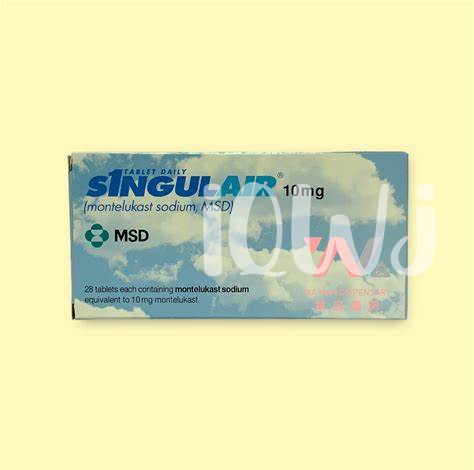
Some groups seem more likely to experience psychiatric effects after taking singulair. Children and adolescents are frequently highlighted in reports and case series—developing brains, behavioral shifts, and caregiver observations make changes more apparent. Older adults, especially those with cognitive decline, appear vulnerable.
A personal or family history of depression, anxiety, bipolar disorder, or prior suicidal ideation raises risk notably; clinicians should note these red flags. Concurrent insomnia, substance use, or neurological disease may further increase susceptibility.
Polypharmacy and high asthma severity complicate attribution: patients on multiple CNS‑active drugs or systemic corticosteroids may be at amplified risk, or their symptoms might reflect underlying illness. Evidence is evolving, so individualized risk–benefit assessment and careful monitoring remain essential.
Regulatory Actions, Warnings, and Labeling Changes
Regulatory review of safety reports prompted prominent label changes and clearer prescribing guidance. Agencies examined case series and observational studies, balancing montelukast’s benefits for asthma with rare but serious psychiatric events. For patients and clinicians, singulair shifted from a routine choice to one requiring explicit discussion of mood, sleep, and behavioral signals, reframing consent and follow‑up plans.
Manufacturers updated patient leaflets and physicians’ information, and national authorities recommended limiting use in mild allergic rhinitis when alternatives exist. Health systems were advised to strengthen adverse‑event reporting so regulators could refine estimates and target advisories, including guidance for pediatric patients. These measures moved concerns from isolated reports into structured monitoring, improving risk communication and shared decision making.
| Agency | Action (year) |
|---|---|
| FDA | Boxed warning added (2020) |
| EMA | Label updates and guidance |
Practical Advice: Monitoring, Reporting, and Alternative Options
If you or a loved one starts montelukast and notices mood shifts, vivid dreams, anxiety, or sudden behavioral changes, keep a symptom diary and tell your prescriber promptly. Early reporting helps clinicians weigh benefits versus risks.
For alarming signs — suicidal thoughts, aggression, or severe confusion — seek urgent evaluation and do not stop medication abruptly without medical guidance. Emergency departments can assess acute risk and coordinate psychiatric or neurological consultation as needed.
Report suspected adverse effects to your national pharmacovigilance system and the prescribing clinic; this data helps regulators and researchers detect patterns. Keep personal records of dates, doses, and symptom onset to support investigations and care decisions.
Discuss alternatives like inhaled steroids, antihistamines, or nonpharmacologic measures with your clinician. If discontinuation is chosen, plan tapering and follow-up; shared decision-making respects symptom control while minimizing potential neuropsychiatric harm and monitor mood regularly.
