
To Buy Robaxin Online Visit Our Pharmacy ↓
 How Robaxin Works: Simple Science Explanation
What Methocarbamol Is and How It Works
Patients often meet methocarbamol as a short-term aid after injuries or spasms. It is a prescription muscle relaxant used to ease painful, involuntary contractions.
It works primarily in the brain and spinal cord rather than at the neuromuscular junction. By dampening nerve signals, it reduces the reflexive drive that sustains spasm.
Clinicians value its relatively rapid onset and supportive role alongside rest, heat, or physical therapy. It is rarely a standalone solution but speeds recovery by making movement and rehab more tolerable.
Side effects are usually mild—drowsiness, dizziness, and occasional stomach upset—so providers recommend cautious dosing and avoiding heavy machinery while taking it. Patients should also mention other medicines and alcohol use to prescribers always.
| Class | Primary action |
|---|---|
| Skeletal muscle relaxant | CNS depressant; reduces reflex signals |
How It Calms Muscles: the Nervous System Effect
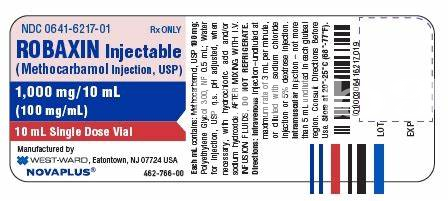
When a spasm strikes, a tablet like robaxin can feel like a pause button for the nervous system. It dampens overactive signals in the spinal cord, interrupting the reflex loop that keeps muscles tight steadily.
Rather than acting on fibers themselves, it works centrally, lowering neuronal excitability and reducing pain perception so muscles can let go. Picture a volume knob turning down spasms and guarding, giving tissues room to relax.
Onset can be fairly quick because blood-borne suppression of spinal reflexes begins after absorption; many people notice eased tension within thirty to sixty minutes. The central impact blunts the cascade that sustains painful contractions often.
Because central calming can cause drowsiness, balance issues, or blurred thinking, avoid alcohol and driving until you know how it affects you. Tell your prescriber about other medicines and health conditions before starting new drugs.
How Fast Relief Begins and How Long
After taking robaxin, many people notice easing within an hour as the drug reaches the bloodstream. Individual metabolism and co‑taken medications can change timing.
Peak effects typically occur two to three hours later, offering clearer reduction in muscle spasm and pain. Hydration and rest also help recovery.
Relief duration varies: for most, benefits last several hours, while dosing schedules aim to maintain coverage across the day.
Follow your clinician’s guidance; adjusting timing balances steady symptom control with minimizing side effects. Report persistent symptoms or unusual reactions promptly for reassessment soon.
Common Conditions and Reasons Prescribers Recommend It
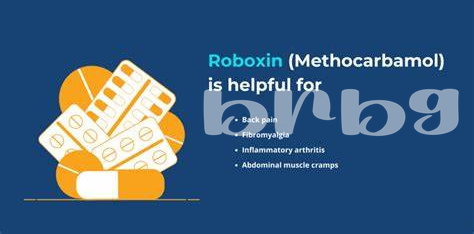
Imagine waking with a sudden, gripping back spasm that stops you in your tracks. Clinicians often reach for muscle relaxants like robaxin to ease those intense, involuntary contractions quickly.
Common scenarios include acute strains after lifting, whiplash, postoperative spasm, or flareups of chronic conditions where short-term central nervous system calming improves comfort and mobility for therapy.
Providers may prefer it when sedating effects are acceptable and when reducing opioid use is a goal; it’s used as part of a broader plan with rest, heat, and targeted exercises.
Because action is central rather than direct on muscle fibers, it complements other treatments and helps patients tolerate rehab sessions sooner, often shortening recovery when combined appropriately overall.
Everyday Side Effects, Warnings, and Safety Advice
A short story tone: When you take robaxin, many people feel the knot in a muscle loosen and a heavy, drowsy calm settle over the body. Common side effects are mild: sleepiness, lightheadedness, upset stomach, or a flushed feeling. These usually fade as your body adjusts, but if you notice confusion, fainting, or severe allergic reactions, stop the medicine and seek care.
Practical warnings: avoid alcohol and driving until you know how it affects you, and tell your prescriber about liver disease, kidney problems, pregnancy, or other medicines that cause drowsiness. Never double-dose; follow prescribed timing and report persistent weakness or mood changes. For elderly patients and those with respiratory conditions, clinicians often recommend lower doses. If pain or stiffness persists beyond a few days despite treatment, discuss alternative therapies or further evaluation. Keep all medications out of children's reach.
| Effect | Recommended Action |
|---|---|
| Drowsiness | Avoid driving; rest |
| Nausea | Take with food |
| Allergic reaction | Seek emergency care |
Interactions, Contraindications, and Groups Needing Extra Caution
Methocarbamol can amplify sedation when combined with alcohol or other central nervous system depressants. Start low and avoid driving if feeling drowsy.
It may interact with medications that affect liver enzymes or blood pressure. Pharmacists can often flag risky combinations.
People with kidney or liver disease, pregnant or breastfeeding individuals, and those with seizure disorders should discuss risks with their clinician. Never stop suddenly without medical advice.
Careful review of all prescriptions, over-the-counter drugs, and supplements helps prevent problems; when in doubt, pause and ask. Carry a medication list always.
