
To Buy Mobic Online Visit Our Pharmacy ↓
 Mobic Vs Ibuprofen: Comparing Effectiveness and Safety
How Meloxicam and Ibuprofen Actually Work Differently
Both drugs reduce prostaglandin production, relieving pain and inflammation, yet they differ in which cyclooxygenase enzymes they inhibit. The balance alters side effect profiles.
Meloxicam leans toward COX-2 selectivity, giving steadier anti-inflammatory action and a longer half‑life suited to chronic conditions.
Ibuprofen is nonselective, acting faster but briefly; its quick onset helps acute pain and fever control but needs more frequent dosing.
Choice depends on pain type, duration, individual risk factors and drug interactions; clinicians weigh speed, longevity and safety when recommending one. Shared risks require periodic monitoring and review.
| Feature | Meloxicam | Ibuprofen |
|---|---|---|
| COX selectivity | More COX-2 | Nonselective COX-1/2 |
| Onset / Duration | Slower onset / longer action | Faster onset / shorter action |
Which Relieves Pain Faster and Lasts Longer
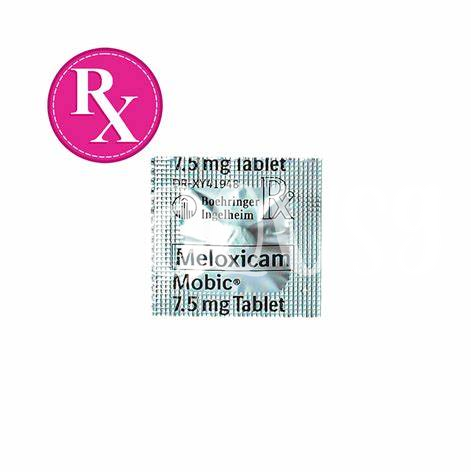
Imagine spraining an ankle: ibuprofen often acts like a quick-response team, typically reducing pain within 30–60 minutes thanks to rapid absorption. Its effect peaks sooner but fades after a few hours, so repeated dosing is common for ongoing relief. OTC availability makes it handy for sudden aches.
For longer-term aches, mobic (meloxicam) behaves more like a steady sentry: it may take 1–3 hours to start working but maintains pain control for 24 hours with once-daily dosing, often making it suited for chronic conditions such as osteoarthritis. Because it sustains levels longer, fewer doses are needed, though onset is slower than ibuprofen — a trade-off between rapid relief and prolonged coverage that patients and clinicians weigh.
Comparing Effectiveness for Arthritis Versus Acute Injuries
In chronic arthritis the story is often slow and persistent: mobic (meloxicam) tends to provide steady anti-inflammatory relief with once-daily dosing, reducing joint swelling and stiffness over weeks. Patients report improved function with sustained use, while ibuprofen often requires higher or more frequent dosing to match anti-inflammatory effects and may be chosen for breakthrough flares.
For acute injuries, the tale shifts: ibuprofen’s rapid onset and flexible dosing make it useful for short-term pain and swelling control after sprains or strains. Mobic can help but is less ideal for immediate relief due to slower anti-inflammatory buildup. Always weigh duration of need, bleeding risk, and physician advice when choosing agents for sudden injuries and individual medical history.
Safety Risks Gastrointestinal Cardiac and Renal Concerns
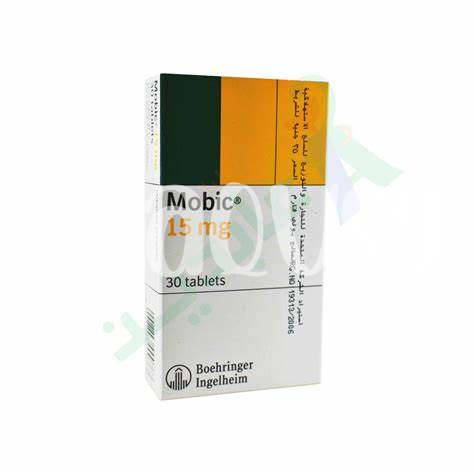
When people take NSAIDs like mobic or ibuprofen, their stomachs can protest: both raise the risk of ulcers, gastritis and bleeding, especially with long-term use or with alcohol and corticosteroids. Protective measures — taking with food, using the lowest effective dose, or adding a proton pump inhibitor — can reduce but not eliminate this danger.
Cardiovascular concerns differ: some NSAIDs slightly increase blood pressure and, with prolonged or high-dose therapy, the chance of heart attack or stroke may rise, particularly in patients with existing heart disease. Ibuprofen has more pronounced short-term effects on blood pressure, while mobic's once-daily dosing may alter risk profiles — discuss history with your clinician.
Kidneys can be affected: both agents may lower renal blood flow, risking fluid retention or acute kidney injury in dehydration or heart failure. Check creatinine periodically and discontinue if urine falls.
Dosing Differences Drug Interactions and Contraindications
When choosing between mobic and ibuprofen, think of them as tools with different settings. Meloxicam often needs once-daily dosing, while ibuprofen usually requires multiple doses. That affects convenience and steady relief, especially for chronic conditions; timing and cumulative dose shape both benefit and risk.
Watch for interactions with blood thinners, ACE inhibitors, and diuretics; combine cautiously and consult a clinician. Contraindications like active ulcers, advanced kidney disease, or aspirin sensitivity steer choice. A short conversation about medical history and other meds saves trouble and personalizes safer, effective use for many.
| Drug | Typical Dose |
|---|---|
| Mobic | 7.5–15 mg once daily |
| Ibuprofen | 200–800 mg every 4–6 hours |
Choosing between Them Patient Factors and Cost
Deciding which NSAID suits you starts with personal health. Age, history of ulcers, heart disease, kidney function and pregnancy status influence choice. Meloxicam’s longer action favors chronic use, while ibuprofen often fits short-term needs well.
Cost and access matter: ibuprofen is inexpensive, over-the-counter and familiar, while meloxicam requires prescription but may lower dosing frequency. Insurance coverage, generic availability and local pricing determine real out-of-pocket costs and convenience for patients too.
Clinical factors guide safety: those with gastrointestinal bleeding risk, on anticoagulants or with uncontrolled hypertension steer away from NSAIDs unless supervised. Heart disease elevates concern for all NSAIDs; renal impairment requires extra caution and monitoring.
Discuss benefits, risks and cost with your clinician. Use lowest effective dose briefly, reassess, and choose generics when possible. For chronic pain, individualized plans and periodic kidney and blood-pressure checks are important and regular follow-up.
