
To Buy Arimidex Online Visit Our Pharmacy ↓
 Managing Bone Health While Taking Arimidex
Assess Fracture Risk and Baseline Bone Density
At the first visit, it helps to name the worry: bones matter. Your clinician will suggest measuring bone strength so you can track changes and make decisions with clear numbers rather than anxiety.
A central step is obtaining a bone density scan and a fracture risk estimate. Dual‑energy X‑ray absorptiometry gives T‑ and Z‑scores; tools like FRAX combine scores with clinical factors to estimate ten‑year fracture probability.
Risk factors to mention include age, previous low trauma fracture, family history, low body mass index, smoking, alcohol, steroid use, and conditions like rheumatoid arthritis. Lab checks can screen for calcium, vitamin D, thyroid and sex‑hormone levels.
Aim for a baseline test before starting therapy and plan repeats every one to two years or sooner if risk rises. Keep a shared record and ask your care team how results influence prevention or treatment choices.
| Test | Purpose |
|---|---|
| DEXA | Measure bone density (T/Z scores) |
| FRAX | Estimate 10-year fracture risk |
Lifestyle Strategies to Strengthen Bones during Treatment
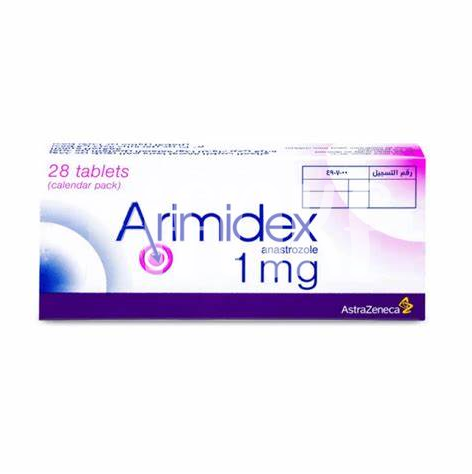
When my friend began arimidex, she feared fragility more than anything; we started small with daily habits that add up. Calcium-rich meals and Vitamin D sun breaks became rituals, and smoking was off the table while alcohol stayed modest. Simple swaps—yogurt for sugary snacks, a salad bowl, fortified milk—felt empowering.
Weight-bearing activities were introduced gradually: brisk walks, stair-climbing, and light resistance bands at home. Balance exercises like single-leg stands cut the risk of falls; physical therapists tailored moves around treatment fatigue. Rest and sleep were prioritized to support recovery and bone remodeling.
Routine check-ins with her oncology team kept decisions grounded in data, prompting timely bone density scans and supplement adjustments. Small, consistent lifestyle shifts created a sense of control and measurable protection over time. She tracked progress and celebrated incremental gains to stay motivated through long treatment cycles consistently.
Dietary Choices and Supplements That Support Skeletal Health
Facing long-term treatment, many people find small food choices feel empowering. Aim for calcium-rich options like low-fat dairy, fortified plant milks, canned salmon with bones, and leafy greens; pair them with vitamin D from sunlight, oily fish, or a supplement to improve absorption. Protein supports bone matrix, so include lean meats, legumes, or tofu. Limit sodium and excessive caffeine or alcohol, which can accelerate calcium loss—especially important while on arimidex.
Consider supplements thoughtfully: combined calcium (often 500–1,200 mg/day total) and vitamin D (800–2,000 IU/day depending on levels) are common, while vitamin K2 and magnesium support mineralization. Fish oils offer anti-inflammatory benefits. Avoid high-dose single nutrients without testing; excessive calcium can cause harm. Always review plans with your oncology or primary care team and dietitian, who can tailor dosing, check for interactions and coordinate bone density monitoring to protect long-term strength.
Exercise Plans Proven to Improve Bone Density Safely

I began with short walks, building confidence and balance while on arimidex. Weight-bearing steps were gradual, steady, and reassuring with a trainer's guidance weekly.
Twice weekly resistance sessions using bodyweight, bands, or light dumbbells improved strength without undue risk and emphasized form, controlled tempo, progressive overload.
Balance drills, heel-to-toe walks, and tai chi reduced fall risk; core and hip strengthening protected posture and improved functional mobility safely daily.
Work with a physiotherapist for tailored progression, monitor bone density, rest adequately, and promptly adapt intensity if pain or fragility concerns arise.
Monitoring and Medications Balancing Benefits Versus Bone Loss
When my friend began adjuvant therapy, she worried about bone effects. Regular bone density checks became routine and timely with her oncology team, ensuring early detection of thinning and guiding prevention choices while on arimidex.
Physicians schedule DXA scans at baseline, then every one to two years depending on risk. Blood tests monitor calcium and vitamin D levels, and markers of bone turnover help personalize strategies to prevent fractures proactively.
Anti-resorptive drugs such as bisphosphonates or denosumab can preserve bone while patients take aromatase inhibitors. Benefits must be weighed against risks like rare jaw osteonecrosis, so choices are individualized with shared decision-making and regular monitoring.
Staying proactive means asking about bone-preserving options when starting therapy, reporting new pain promptly, and adhering to prescribed agents. This collaborative approach helps maintain cancer control without sacrificing long-term skeletal strength and quality of life.
| Test / Drug | Purpose |
|---|---|
| DXA | Measure bone density baseline and follow-up |
| Vitamin D / Calcium | Assess and correct deficiencies |
| Bisphosphonate / Denosumab | Prevent therapy-related bone loss |
Communicating with Your Care Team for Proactive Protection
When you begin treatment, think of your care team as allies: bring recent bone-density reports, a complete medication list, and notes about prior fractures or family history. Clear data lets clinicians gauge baseline risk and plan monitoring.
Ask specific questions: how often to repeat DEXA scans, whether FRAX risk estimates apply, and when to consider bone-protective drugs. Share changes in mobility or new pain promptly so decisions rest on current information.
Adopt a shared decision approach: review benefits and risks, agree on monitoring intervals, and request written plans. Keep a log of supplements, falls, and symptoms, and know who to contact for urgent concerns. Regular, honest dialogue protects bone health while preserving cancer treatment goals.
