
To Buy Ampicillin Online Visit Our Pharmacy ↓
 Ampicillin Dosage Guide — Adults, Children, and Special Populations
Adult Dosing Strategies: When and How Much
Dosing should match infection severity and route. For mild infections adults often take 250–500 mg orally every six hours; higher doses suit worse infections.
IV therapy commonly uses one to two grams every four to six hours; severe cases may require two grams every four hours or extended infusion.
Adjust dosing for body weight, comorbidities, and interaction with other antibiotics; consult local guidelines for empiric regimens and susceptibility patterns.
Monitor renal function and clinical response; modify dose or interval in kidney impairment and consider therapeutic monitoring when available if possible.
| Route | Typical Adult Dose |
|---|---|
| Oral | 250–500 mg every 6 hours |
| IV/IM | 1–2 g every 4–6 hours |
Pediatric Recommendations: Weight-based Dosing Made Simple
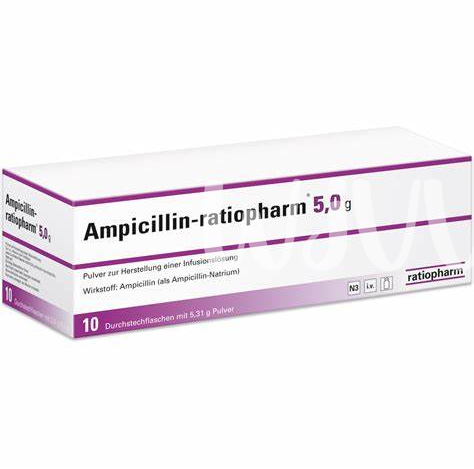
In the busy clinic, dosing ampicillin for children becomes a matter of simple arithmetic and careful judgment. Clinicians typically calculate doses by weight, commonly using 50–100 mg/kg/day divided every 6–8 hours depending on infection severity.
For straightforward infections, a lower end of the range suffices; severe or invasive infections require higher dosing within recommended limits. Always round to practical syringe volumes and confirm age-appropriate formulations.
Monitor response and adverse effects, adjust for renal function, and consult local guidelines for exact regimens. Clear communication with caregivers ensures adherence and safer outcomes.
Neonates and Infants: Special Considerations, Adjustments Needed
Welcoming a fragile newborn with suspected infection demands precision. Early-life physiology—larger extracellular water, immature renal clearance and different protein binding—changes antibiotic exposure. Clinicians must individualize ampicillin dosing by weight, gestational and postnatal age rather than using adult regimens.
Prematurity often requires longer intervals and lower daily doses because renal secretion matures over weeks. Meningitis needs higher or more frequent dosing since cerebrospinal fluid penetration improves with inflammation. Consider concurrent drugs and fluid balance when adjusting therapy.
Monitor urine output, creatinine trends and clinical response; prepare IV solutions to limit sodium load; document allergies and stop or narrow therapy based on cultures. Clear communication with neonatal teams and stewardship promotes safe, effective ampicillin use and outcomes.
Renal Impairment: Dose Reduction and Scheduling Tips
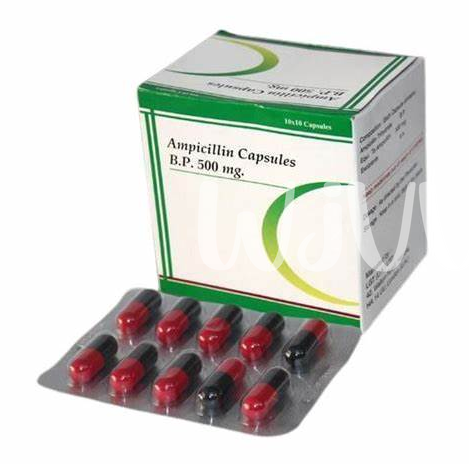
When kidney function falters, clinicians become detectives adjusting ampicillin to balance efficacy with safety. Start by estimating creatinine clearance; mild impairment often needs modest dose spacing changes, while moderate-to-severe reductions require clear dose reduction. Monitor clinical response and serum levels if available to avoid accumulation and toxicity risk.
Adjustments often follow guidelines: reduce dose or extend dosing interval. For hemodialysis patients, administer supplemental post-dialysis dosing. Always coordinate with pharmacy and nephrology; chart renal function trends daily and document rationale for chosen regimen to support safe, individualized therapy. Educate caregivers about signs of toxicity.
Children and elderly require particular caution: use weight-based adjustments in pediatrics and conservative reductions in frail elders. When uncertain, opt for lower dosing frequency and close follow-up. Clear communication about timing around dialysis and prompt reassessment after changes reduces risks and preserves therapeutic benefit effect.
Pregnancy and Lactation: Safety, Risks, and Guidance
During pregnancy clinicians often choose ampicillin for susceptible infections because of its long safety record; benefits for mother and fetus usually outweigh minimal risks when indicated.
Allergy history must guide decisions; true penicillin allergy necessitates alternatives. Dosing follows standard regimens but adjust timing for severe infection and consider IV administration when absorption is uncertain, including gestational age and comorbidities too.
During lactation small amounts appear in breast milk but are unlikely to harm nursing infants; monitor for rash or diarrhea. Discuss risks and benefits with patients and document shared decision-making.
| Concern | Guidance |
|---|---|
| Allergy | Use alternatives if IgE-mediated |
Practical Administration: Iv Versus Oral, Timing, Monitoring
Deciding between IV and oral ampicillin often feels like choosing between a sprint and a stroll: IV delivers rapid, reliable blood levels for severe infections, while oral suits stable, outpatient cases.
IV dosing requires aseptic technique, scheduled intervals, and observation for phlebitis; use bolus or infusion as indicated and extend monitoring when high doses or prolonged therapy are planned.
Oral ampicillin must be taken on an empty stomach when possible to enhance absorption; adherence is essential—missed doses reduce efficacy and risk resistance, so patient education is crucial.
Monitor renal function, complete blood count, and clinical response regularly; adjust dose or interval for kidney impairment, watch for allergic reactions during initial doses, and document outcomes clearly.
