
To Buy Phenergan Online Visit Our Pharmacy ↓
 Phenergan for Motion Sickness: a Complete Guide
What Is Phenergan and How Does It Work
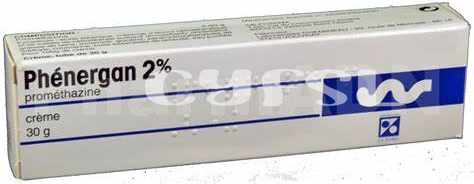
Phenergan is a well-known brand name for promethazine, a medication that’s been helping travelers and patients for decades. As an antihistamine, Phenergan works by blocking histamine receptors in the brain. Histamine is a natural chemical that contributes to symptoms like nausea and vomiting. By inhibiting its action, Phenergan helps calm the body’s overactive response to certain motion signals.
What sets Phenergan apart is its ability to target more than just allergy symptoms. It acts on the central nervous system, reducing nerve activity that can trigger motion sickness. This dual action makes it particularly useful for those prone to nausea during travel, whether by car, boat, or plane.
Below is a quick snapshot of Phenergan’s key features:
| Active Ingredient | Drug Class | Primary Uses |
|---|---|---|
| Promethazine | Antihistamine | Motion sickness, nausea, allergies |
Why Motion Sickness Happens during Travel
Imagine you’re on a winding mountain road, and suddenly your stomach lurches while your head spins—this is your body’s natural response to conflicting sensory signals. Motion sickness occurs when your inner ear senses movement that your eyes can’t see, or vice versa, creating confusion in the brain. Many travelers experience this uncomfortable sensation, with symptoms like dizziness, nausea, and cold sweats disrupting an otherwise pleasant journey. Medications like phenergan can provide relief by calming the body’s response to these mixed messages.
How Phenergan Helps Prevent Motion Sickness
When you’re on a long car ride or a turbulent flight, motion sickness can strike unexpectedly, leaving you feeling queasy and miserable. Phenergan steps in as a reliable solution, blocking histamine receptors in the brain that trigger nausea and the urge to vomit. This calming effect helps settle your stomach, making travel a much smoother experience.
By acting on the central nervous system, phenergan reduces the confusing signals sent from your inner ear to your brain during motion. This not only eases symptoms but can also help prevent them from starting in the first place.
Travelers often use phenergan before a journey to enjoy their trips without the discomfort of dizziness or nausea.
Dosage Guidelines and Safe Usage Tips
Taking phenergan for motion sickness requires careful attention to dosing, as it’s commonly available in tablet, syrup, or suppository form. Adults typically start with a dose taken about one to two hours before travel to maximize its effectiveness. For children, the dosage is lower and must be precisely measured according to the child’s weight and age—always follow medical advice for pediatric use.
Never exceed the recommended amount, and be wary of combining phenergan with other sedatives or alcohol, as this can magnify drowsiness. Remember, the medicine should only be used as needed and not on a daily basis without guidance from your healthcare provider. Always read labels and instructions thoroughly.
Common Side Effects and Safety Precautions
While Phenergan can be highly effective for motion sickness, it’s important to be aware of possible side effects. Some people experience drowsiness, dry mouth, or blurred vision after taking it. In rare cases, more serious reactions like confusion or difficulty breathing may occur, especially in the elderly or young children. Because of its sedative properties, it’s best to avoid driving or operating heavy machinery after taking Phenergan.
Taking precautions can make your experience safer. If you have a history of respiratory problems, liver issues, or glaucoma, discuss these with your doctor before using this medication. Alcohol can intensify the sedative effects of Phenergan and should be avoided.
Here is a quick summary:
| Possible Side Effects | Precautions |
|---|---|
| Drowsiness, dry mouth, blurred vision | Avoid alcohol and driving; consult with your doctor for health conditions |
Alternatives to Phenergan for Motion Sickness
For travelers who prefer to avoid Phenergan, there are various other ways to keep motion sickness at bay. Over-the-counter options like meclizine (Antivert, Bonine) and dimenhydrinate (Dramamine) are popular choices, offering similar relief without requiring a prescription. These medications tend to cause less drowsiness for some people compared to Phenergan, making them a practical solution for both everyday commutes and long-haul journeys.
Natural remedies are also gaining popularity among those looking for gentler approaches. Ginger, available in tablets, candies, and teas, is a time-honored solution believed to calm the stomach and reduce nausea. Acupressure wristbands, which gently stimulate specific points, provide another drug-free option that many travelers find helpful for quelling queasiness, especially on boats or turbulent flights.
Lifestyle modifications can play a big role in preventing symptoms. Choosing seats over the wing in airplanes, focusing on the horizon, and avoiding heavy meals before travel are simple but effective strategies. Ensuring fresh airflow and taking frequent breaks during road trips can also make a significant difference in comfort, allowing you to stay focused on enjoying the journey.
