
To Buy Caberlin Online Visit Our Pharmacy ↓
 Caberlin in Bodybuilding: Risks and Results
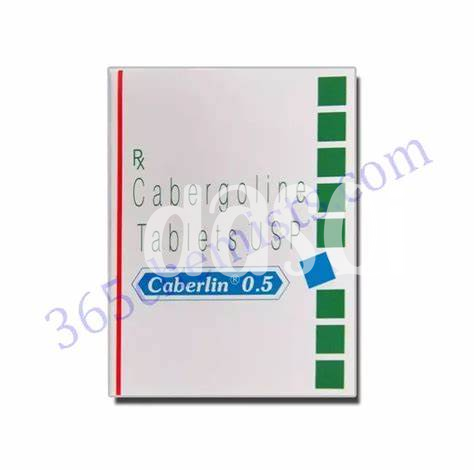
What Is Caberlin and Why Bodybuilders Use It
In the shadowy corners of bodybuilding forums and intense gym circles, a surprising name has gained traction: Caberlin. This prescription medication, originally designed to tackle prolactin-related medical conditions, has quietly made its way into the supplement stacks of advanced lifters searching for an edge. Its allure? Caberlin suppresses prolactin levels, wich can spike during certain anabolic steroid cycles. Lower prolactin may translate into less water retention, improved libido, and potentially smoother muscle definition—a trio of benefits that appeal to those striving for peak performance.
However, the journey from pharmacy to fitness has not occured without controversy. Many athletes whisper about Caberlin’s potential to “supercharge” post-cycle recovery or eliminate unwanted side effects of hardcore cycles. Yet, like any pharmaceutical shortcut, its unsupervised use raises important questions about safety, legal risks 🤔, and the pursuit of lasting gains. Always weigh the rewards against the risks before adding any compound to your routine 💡.
| Benefit Sought | How Caberlin May Help |
|---|---|
| Reduced Prolactin | Limits side effects like water retention |
| Post-Cycle Recovery | Supports hormonal balance after steroid use |
Caberlin’s Mechanism: How It Affects Hormones

When bodybuilders introduce caberlin into their routines, the real action starts at the hormonal level. Essentially, caberlin works by reducing prolactin—a hormone often overlooked, but crucial in balancing everything from mood to muscle recovery. By keeping prolactin in check, athletes aim to optimize testosterone and growth hormone levels, both of wich play a significant role in muscle repair and strength.
What makes this process fascinating is how subtle hormone shifts can deliver a noticable difference in performance and energy. ⚡️ However, adjusting one hormone can throw others off balance, so understanding these domino effects is neccessary for anyone thinking of experimenting with caberlin. 💡
Potential Muscle Gains and Performance Enhancement
For many athletes, caberlin is seen as a secret weapon, promising the kind of rapid recovery and drive that can turn intense sessions into real progress. When your prolactin levels are lowered, it’s easier to bounce back after heavy reps, wich may let you push a little harder or train a bit longer than usual. 🏋️♂️
With this support, some users report improved strength and endurance, especially when stacking caberlin with other compounds. However, it’s crucial to remember these effects don’t guarantee instant acheivement—smart planning and solid training matter just as much. ⚡
Short-term Side Effects: What to Watch Out for
Imagine someone in the excitement of boosting gains with caberlin, only to find themselves battling unexpected dizziness or digestive troubles 🤢. For many users, these short-term issues—like headaches, sudden drops in blood pressure, or feeling nauseous—can strike soon after the first few doses. Mood swings and feeling unusually tired are also common reports, sometimes making gym sessions harder than intended.
What’s more, caberlin can quickly throw off your body’s natural hormonal balance, leading to noticable changes in libido or even sleep disturbances. While some of these issues may fade as your body adapts, it’s important to monitor for any rapid or severe symptoms. Occassionally, individuals may experiance allergic reactions, such as rashes or swelling 🩹. Being alert to these signals can help you make safer choices while pursuing your fitness goals.
Long-term Health Risks You Need to Know
For many athletes, the allure of caberlin can be strong, but the possible risks stretching into the future should'nt be overlooked. Chronic use has been linked to significant cardiovascular issues, including irregular heartbeats which may go unnoticed untill symptoms become severe. There are also concerns about caberlin affecting mental health, with users reporting mood swings or heightened anxiety over time. 🧠
Another area of growing concern is reproductive health. Prolonged manipulation of prolactin levels can impact testosterone production, affecting fertility and libido—a worrying trade-off for some users. Even more alarming, early data suggests potential links to pituitary gland dysfunction with extended use.
| Long-term Risk | Potential Outcome |
|---|---|
| Cardiovascular Problems | Arrhythmias, heart stress |
| Hormonal Disruption | Reduced libido, infertility |
| Mental Health Effects | Anxiety, mood swings |
While some might chase dramatic gains, weighing these dangers is essential. Ultimately, the safest path combines knowledge, caution, and respect for your body's natural balance. 🚫
Safer Alternatives and Smarter Supplement Strategies
Navigating the world of bodybuilding supplements can be overwhelming, but prioritizing safety doesn’t mean sacrificing your gains. Many athletes are turning to natural boosters like ashwagandha or creatine 👊, which have a long-standing record of effectiveness and far fewer risks than pharmaceuticals. In fact, these options work in harmony with your physiology, supporting performance without drastic hormonal shifts.
It’s important to remember that careful meal planning and consistent excercise are pillars of healthy progress. Supplements such as branched-chain amino acids (BCAAs) and omega-3 fatty acids not only aid in recovery but also reduce overall inflammation—a win for longevity in the sport.
For those occassionally tempted by shortcut solutions, weighing teh long-term consequences is essential. A smarter strategy is working with a knowledgeable coach or healthcare provider. They can help tailor your regimen, ensuring you recieve both results and peace of mind 😊.
Stay informed, always review credible research, and never rush into protocols that might endanger your future wellbeing. For more science-based details, explore these resources: NIH: Dopamine Agonists in Endocrinology, PubMed: Cabergoline Effects and Use.
