
To Buy Trazodone Online Visit Our Pharmacy ↓
 Trazodone and Alcohol: Risks, Myths, and Facts.
The Science Behind Trazodone and Its Uses
Originally developed as an antidepressant, trazodone works by balancing serotonin levels in the brain—a chemical closely linked to mood, sleep, and overall well-being. Unlike many older medications, trazodone belongs to the group known as serotonin antagonist and reuptake inhibitors (SARIs). Its unique action helps relieve depression, anxiety, and insomnia, making it a versatile treatment option.
Doctors often prescribe trazodone not only for major depressive disorder but also for sleep disturbances, especially when traditional sleep aids aren’t suitable. Its calming effects can extend beyond mood stabilization, promoting restful sleep for those struggling with insomnia.
| Common Uses | Benefits |
|---|---|
| Depression | Mood improvement |
| Insomnia | Better sleep quality |
| Anxiety | Reduced nervousness |
How Alcohol Interacts with Antidepressants Like Trazodone
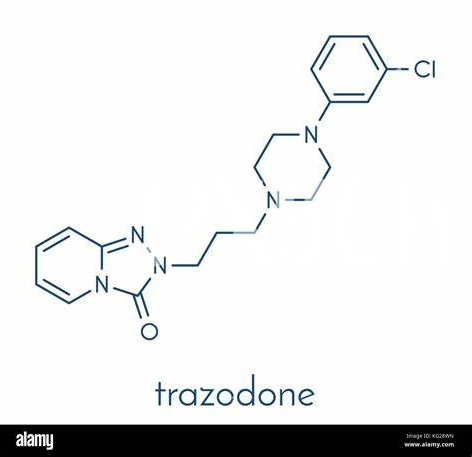
Imagine your brain as a finely tuned orchestra—each chemical plays its part for a harmonious performance. Trazodone, a commonly prescribed antidepressant, works by balancing serotonin to help regulate mood and improve sleep. When alcohol enters the scene, however, it can disrupt this delicate balance. Combining alcohol with trazodone may amplify each substance’s sedative effects, leaving you feeling excessively drowsy, unsteady, or confused.
What makes this combination especially risky is how unpredictably it can affect individuals. Alcohol can intensify trazodone’s impact on your central nervous system, increasing the likelihood of slowed reflexes, impaired judgment, and even dangerous breathing suppression. Because both substances affect the brain in unique ways, their combined use can lead to unpredictable side effects—making even a single drink a potentially hazardous choice for those taking trazodone.
Common Myths about Mixing Trazodone and Alcohol
Many people assume that a single drink won’t affect their medication, but when it comes to trazodone, this belief can be misleading. Some think that because trazodone isn’t a “strong” antidepressant, mixing it with alcohol carries little risk. Others believe only high doses of either substance are problematic, or that if you’ve built up a tolerance to alcohol, you’re safe from any interaction.
However, scientific evidence shows that combining even small amounts of alcohol with trazodone can amplify side effects such as drowsiness, impaired coordination, and confusion. Another misconception is that mixing these won't impact overall mental health, when in fact, alcohol may counteract the benefits of trazodone. Busting these myths is important for anyone who wants to protect their wellbeing while using this medication.
Potential Health Risks and Side Effects to Know
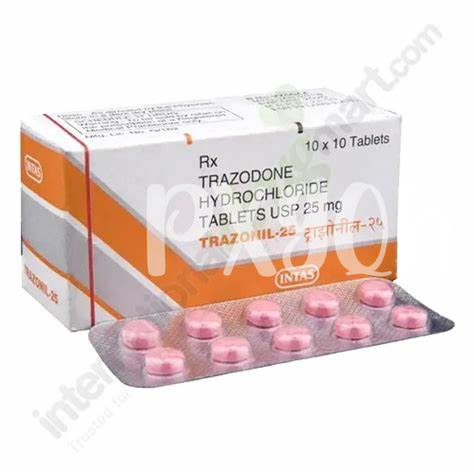
Mixing trazodone with alcohol is far from harmless. Alcohol amplifies trazodone’s sedative effects, increasing the risk of excessive drowsiness, dizziness, and impaired motor skills—making activities like driving especially dangerous. There’s also a heightened possibility of confusion, poor judgment, and even fainting when both substances are in your system, as your central nervous system works overtime to process them.
Longer-term or heavy use of both can strain the heart and liver, potentially leading to complications such as arrhythmias or liver toxicity. Even more concerning, combining these can worsen symptoms of depression or anxiety, undermining the very reason trazodone was prescribed in the first place.
Recognizing Warning Signs of Dangerous Interactions
When combining trazodone with alcohol, early warning signs of a potentially hazardous interaction can appear quickly. Even mild symptoms, like sudden dizziness or unusual confusion, should not be ignored. These warning signs may seem minor initially, but they are your body’s way of signaling that something isn’t right. Serious symptoms, such as slow breathing, irregular heartbeat, or fainting, require immediate medical attention.
If you notice dramatic shifts in mood, prolonged drowsiness, or trouble staying awake, these can also indicate a dangerous reaction between trazodone and alcohol. Paying close attention to how you feel after consuming any alcohol while on medication can make a crucial difference.
| Warning Sign | What to Do |
|---|---|
| Sudden dizziness | Sit down, call for help if severe |
| Irregular heartbeat | Seek emergency care immediately |
Timely recognition and prompt action can help prevent life-threatening complications, emphasizing the importance of vigilance while using trazodone.
Safe Habits and Expert Tips for Medication Management
Consistency in taking your prescribed medication fosters both safety and effectiveness. If a dose is missed, follow your healthcare provider’s guidance instead of doubling up or making adjustments on your own. Open conversations with your doctor or pharmacist can address questions about lifestyle habits, including alcohol use. Store trazodone securely, away from children and pets, and always review labels for interactions with other common substances. Staying well-informed empowers you to avoid preventable complications. MedlinePlus: Trazodone NCBI: Trazodone StatPearls
