
To Buy Periactin Online Visit Our Pharmacy ↓
 Periactin for Migraines: What Does Science Say?
How Periactin Works: Beyond Allergy Relief
Periactin, known generically as cyproheptadine, was originally developed as an antihistamine, offering relief for allergies and itching. However, this medication’s usefulness extends well beyond runny noses and watery eyes. Periactin acts on serotonin, a brain chemical that plays a critical role in the development of migraines.
By blocking certain serotonin receptors, Periactin may help prevent the dilation of blood vessels in the brain, a key factor in migraine attacks. Additionally, its mild sedative effects can ease symptoms like nausea that often accompany migraines.
The table below highlights its main mechanisms:
| Mechanism | Effect |
|---|---|
| Antihistamine Action | Relieves allergy symptoms |
| Serotonin Blockade | May reduce migraine frequency |
| Sedative Properties | Alleviates nausea and promotes rest |
Not just for sneezing, Periactin offers unexpected promise in neurology.
Historical Use of Periactin for Headaches
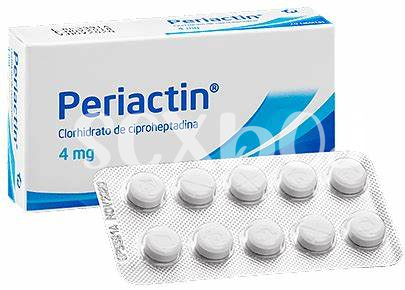
Back in the 1960s and 1970s, doctors began noticing an unexpected effect when prescribing periactin, originally intended as an antihistamine: some patients reported a remarkable decrease in the frequency and intensity of their headaches. Anecdotal reports soon sparked interest among neurologists treating patients with persistent migraines, prompting formal investigations into its potential as a headache prophylactic.
Periactin, also known by its generic name cyproheptadine, found its niche particularly in pediatric neurology, where options for young migraine sufferers were limited. Physicians observed it could help break difficult migraine cycles in children and adolescents who didn’t respond to conventional therapies.
Over time, its use for headaches expanded, especially when other treatments proved ineffective or caused intolerable side effects. While it was never the most common prescription for migraines, its role as an alternative offered hope to many patients seeking relief.
Scientific Research on Periactin and Migraines
Over the years, researchers have explored whether periactin could offer relief to those battling frequent migraines. Early studies hinted at its potential by demonstrating that the medication could decrease both the frequency and intensity of migraine attacks in some patients, particularly in children and adolescents who had trouble tolerating other treatments. More recent investigations, while generally small in scale, have continued to show that periactin may play a valuable role as a preventive option.
The proposed benefit of periactin stems partially from its antihistamine and serotonin-blocking effects, which are believed to influence the underlying causes of migraines. Some reports suggest it can be especially useful for patients whose migraines are linked to sleep disturbances or appetite changes. Scientists are quick to note, however, that while promising, these findings still lack large-scale clinical trials.
Because most evidence comes from case studies and small patient groups, experts advise caution in overestimating periactin’s effectiveness. Nevertheless, these initial findings have laid the groundwork for more robust research, and periactin continues to appear as a potential alternative when standard migraine therapies fall short.
Comparing Periactin to Common Migraine Treatments

While many migraine sufferers reach for triptans, beta-blockers, or anticonvulsants, Periactin offers a distinctive approach due to its antihistamine and serotonin-blocking actions. Unlike typical options, which directly target migraine pathways or regulate blood vessel constriction, Periactin’s utility may stem from its unique ability to stabilize nerve signaling and counteract hypersensitivity in the brain.
For those whose migraines resist standard therapies—or who are sensitive to medication side effects—Periactin can provide an alternative. It’s often considered for pediatric cases or patients struggling with appetite or weight loss from other treatments, presenting a different profile compared to mainstream migraine medications.
Potential Side Effects and Safety Concerns
Periactin, though traditionally known as an antihistamine, can cause certain side effects when used for migraine treatment. Some users report drowsiness, increased appetite, or even mild confusion, especially when starting the medication. While these effects are generally manageable, caution is advised in activities requiring full alertness.
Monitoring for rarer reactions, like dry mouth or blurred vision, is vital, especially in children and older adults. Regular follow-ups with a healthcare provider can help address any concerns early on, ensuring the treatment remains as safe as possible.
Below is a quick guide to some side effects and their frequencies:
| Side Effect | Commonality |
|---|---|
| Drowsiness | Common |
| Increased Appetite | Common |
| Dry Mouth | Occasional |
| Blurred Vision | Rare |
Real Patient Experiences with Periactin for Migraines
Many patients who have struggled with chronic migraines report that Periactin has made a noticeable difference in their symptom management. Some describe the medication as a game-changer, reducing the frequency and severity of their headaches, particularly for those who haven’t found relief with commonly prescribed treatments. Others highlight improvements in sleep and appetite, which can be disrupted during migraine episodes.
However, not all experiences are universally positive. A number of users report drowsiness or increased appetite as side effects, emphasizing the importance of closely monitoring your body's response. A few individuals appreciated Periactin’s affordability and accessibility compared to newer migraine therapies.
Healthcare forums and patient advocacy groups often serve as valuable spaces for sharing stories about Periactin’s effectiveness. While individual experiences vary, many agree on the need for tailored treatment plans under medical supervision.
For a deeper dive into patient feedback and scientific context, consider resources such as the National Institutes of Health and the National Library of Medicine.
