
To Buy Methocarbamol Online Visit Our Pharmacy ↓
 How Methocarbamol Interacts with Common Painkillers
Understanding Methocarbamol: the Muscle Relaxant Mechanism
Your back seizes after shoveling snow, and the doctor prescribes methocarbamol. Unlike painkillers, it doesn’t dull nerves; instead, it calms the overfiring muscles themselves from within.
Researchers believe the drug interrupts polysynaptic reflex arcs in the spinal cord, reducing involuntary contractions. By easing electrical chatter there, it lets strained fibers relax and heal.
Because methocarbamol works centrally, not locally, relief spreads throughout the body within half an hour. Sedation may follow, signaling the same pathways that silence cramping skeletal muscles.
| Property | Detail |
|---|---|
| Onset | 30 minutes |
| Peak | 1–2 hours |
| Action Site | Spinal reflex arcs |
Otc Painkillers: How Nsaids Enter the Mix
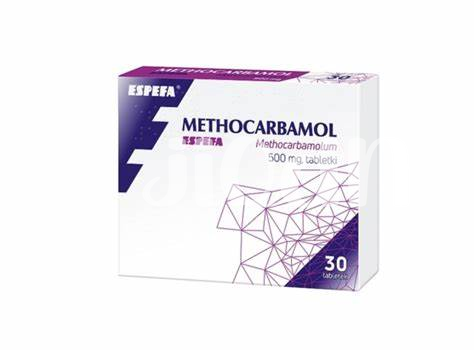
Saturday morning soreness often nudges people toward the medicine cabinet where ibuprofen or naproxen awaits. These over-the-counter NSAIDs tame inflammation by blocking cyclooxygenase enzymes, easing swollen joints and throbbing headaches.
Introduce methocarbamol, and the picture shifts: while it relaxes tense muscle fibers through central nervous system depression, NSAIDs keep working peripherally on inflamed tissue. Dual action can mean faster functional recovery.
Yet overlapping side-effects—stomach irritation, dizziness, kidney strain—demand meals, hydration, and spacing doses; persistent pain warrants professional guidance for safety.
Methocarbamol Plus Acetaminophen: Benefits and Caveats
Picture a throbbing back spasm during a deadline: you reach for methocarbamol tablets and, beside them, acetaminophen. While they target pain through different pathways, together they can tame both muscle tightness and the ache itself.
Because acetaminophen acts centrally on pain signals, it doesn’t irritate the stomach or thin blood like NSAIDs. This lets clinicians prescribe higher relief when skeletal spasms require round-the-clock attention without compounding gastrointestinal or bleeding risks.
Still, the duo is not trouble-free. Exceeding 3,000 mg of acetaminophen strains the liver, especially if alcohol sneaks in. Add methocarbamol’s haze, and operating machinery or driving becomes risky—consult dosage, timing, and contraindications with your prescriber.
Opioids Combined with Methocarbamol: Synergy or Risk?
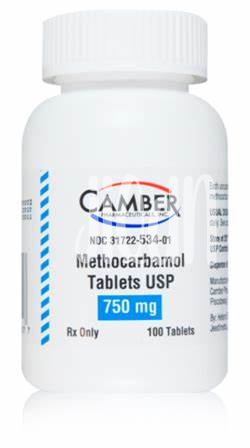
The first time Jean mixed her postoperative oxycodone with methocarbamol, she felt what many patients describe as a “blanket effect” — muscles loosen, pain dulls, the world slows. Pharmacologically, the combination makes sense: opioids dampen pain signaling through central μ-receptors while methocarbamol suppresses spinal reflexes. Together, they can deliver deeper relief with lower single-agent doses.
Yet potentiation cuts both ways. Additive sedation blurs concentration; compounded respiratory depression may threaten sleep. Liver enzymes and renal flow must process two CNS depressants at once, raising overdose odds when schedules slip. Clinicians start small, stagger timing, and reassess frequently, reminding patients that comfort never outweighs consciousness or breath.
Alcohol, Drowsiness, and Driving: Hidden Interaction Dangers
That nightcap may seem harmless until you remember methocarbamol already dims reflexes. Alcohol doubles the sedative load, blurring vision and stretching reaction times like slow-motion film. Suddenly, a routine lane change turns into roulette, because both substances suppress the central nervous system, muffling every warning signal.
| Substance | Effect on Alertness |
|---|---|
| Methocarbamol | Mild-to-moderate sedation |
| Alcohol | Impaired judgment |
| Combined | High crash risk |
Even if you feel “fine,” roadside tests can’t measure cognition. Plan ahead: skip drinks while prescribed, arrange a sober driver, and schedule doses after commuting. Should a toast arise, wait at least six hours before taking the relaxant, or vice versa, and notify your physician.
Safe Dosing Strategies and Doctor Consultation Tips
Think of methocarbamol as a backstage crew member: it calms overworked muscles while letting painkillers handle the spotlight. To keep the show smooth, stagger doses rather than swallowing everything at once, allowing three to four hours between agents to reduce additive sedation.
Before adjusting schedules or combining over-the-counter tablets with prescriptions, bring a medication list to your clinician. Ask specifically about kidney function, liver load, and driving restrictions; even adults may need lower evening amounts to preserve mornings. Drugs.com MedlinePlus
