
To Buy Isotretinoin Online Visit Our Pharmacy ↓
 Isotretinoin and Mental Health: What’s the Link?
How Isotretinoin Works: a Brief Overview
Isotretinoin, often known by its former brand name Accutane, stands among the most powerful treatments for severe acne. This medication is a derivative of vitamin A and works by reducing the oil production in skin glands. By shrinking these glands, isotretinoin also prevents the clogging of pores that can lead to breakouts. Unlike topical treatments, it addresses acne systemically, influencing the skin from the inside out and offering lasting results for many individuals.
| Key Effect | How It Helps |
|---|---|
| Reduces Oil Production | Decreases clogged pores and breakouts |
| Shrinks Oil Glands | Results in less oily skin overall |
Early Concerns: the Origins of the Mental Health Debate

When isotretinoin entered the acne treatment scene in the 1980s, its transformative power sparked fascination—and worry. Reports of mood changes and depressive symptoms began surfacing in medical literature, capturing the attention of physicians and patients alike. Speculation grew as stories linking isotretinoin to mental health struggles circulated, raising questions about the drug’s true impact.
These early observations ignited a debate, with researchers and regulatory agencies investigating possible connections. Concerns fueled heated discussions that would shape ongoing monitoring and future studies on isotretinoin’s safety profile.
Analyzing the Latest Scientific Evidence
Recent years have witnessed a surge in large-scale studies aiming to clarify the relationship between isotretinoin and mental health. The most robust research has compared people taking isotretinoin to those using alternative acne treatments. Many well-designed studies find no significant increase in depression, anxiety, or suicidal thoughts among isotretinoin users overall. In fact, some data suggest that successfully treated acne can even improve emotional wellbeing by boosting self-esteem.
However, the story isn’t entirely straightforward. Subtle differences appear within specific populations, especially among individuals with a prior history of mental health challenges. Scientists are still working to understand why certain people may be more vulnerable to mood changes while on isotretinoin. Ongoing research emphasizes the importance of personalized care and routine psychological screening during treatment.
Stories from Patients: Real Experiences Shared
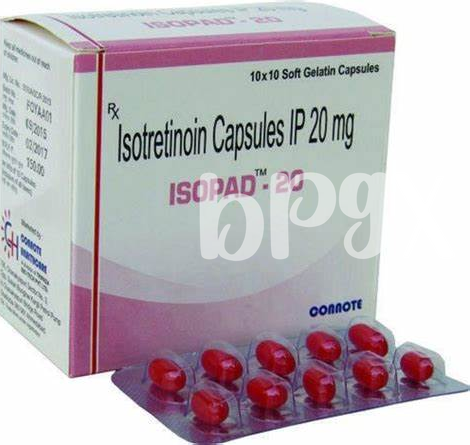
For some, isotretinoin has been transformative, clearing severe acne after years of emotional distress. However, not every story is straightforward. One teenager described feeling unexpectedly withdrawn and anxious during treatment, which prompted important conversations with their parents and doctor. Others report facing mood swings or periods of sadness while on the medication, but many also say the improvement in their skin boosted their confidence. These diverse experiences highlight the need for open communication and regular check-ins throughout treatment.
Recognizing Warning Signs: When to Seek Help
After starting isotretinoin, subtle mood shifts can creep in unnoticed. For some, these changes remain manageable; for others, dark feelings, anxiety, or persistent sadness begin to overshadow daily life. It’s easy to dismiss these as normal stress, but listening to your emotional state is crucial. Friends and family may also notice differences, such as withdrawal or irritability, before you do.
If troubling thoughts, difficulty concentrating, or sudden mood swings develop, don’t ignore them. Be proactive and talk with your healthcare provider—early intervention makes a difference. Trust your instincts: seeking help is a sign of strength, not weakness, and can ensure your journey with isotretinoin stays safe.
| Warning Sign | Action to Take |
|---|---|
| Persistent sadness or hopelessness | Contact your healthcare professional promptly |
| Sudden mood swings | Track changes and discuss with your provider |
| Thoughts of self-harm | Seek immediate support |
Tips for Safe Use and Emotional Wellbeing
Taking isotretinoin can be a transformative experience, but maintaining emotional health along the way is equally important. Regular check-ins with your dermatologist and, if possible, a mental health professional can help catch mood changes early. Keep a journal to track both physical and emotional symptoms—sometimes, small changes are easier to recognize in writing. Surround yourself with supportive friends or family, and don’t hesitate to let them know what you’re going through.
It’s helpful to set reminders to take your medication as prescribed and avoid self-adjusting doses. Prioritize restful sleep, stay physically active, and pursue relaxing activities to balance stress. Finally, understand that reaching out for help doesn’t signal weakness, but rather strengthens your journey toward clearer skin and a healthier mind.
NCBI: Isotretinoin—A Review
Dermatology Times: Isotretinoin Monitoring Recommendations
