
To Buy Doxycycline Online Visit Our Pharmacy ↓
 Antibiotic Resistance: Doxycycline's Place in 2024
Mapping 2024's Escalating Antibiotic Resistance Crisis
Sirens no longer announce emergencies only in hospitals; they echo in microbiology labs tracking bacteria that laugh at last decade’s drugs. Surveillance dashboards from Lagos to London show resistant infections climbing in lockstep with antibiotic consumption, poverty, conflict, and careless prescribing, turning routine wounds into lethal gambles.
The numbers behind the sirens speak even louder:
| Pathogen | 2020 | 2024 |
|---|---|---|
| E.coli | 15% | 28% |
| S.aureus | 20% | 32% |
Unchecked, models project that by December millions more will enter intensive care for infections previously cleared in outpatient clinics. Economic drag will rival recent pandemics, stalling surgeries, oncology, and farming. Mapping hotspots now equips policymakers to allocate vaccines, diagnostics, and stewardship incentives before resistance becomes irreversible globally and sustainably.
Doxycycline's Mode of Action and Resistance Evasion
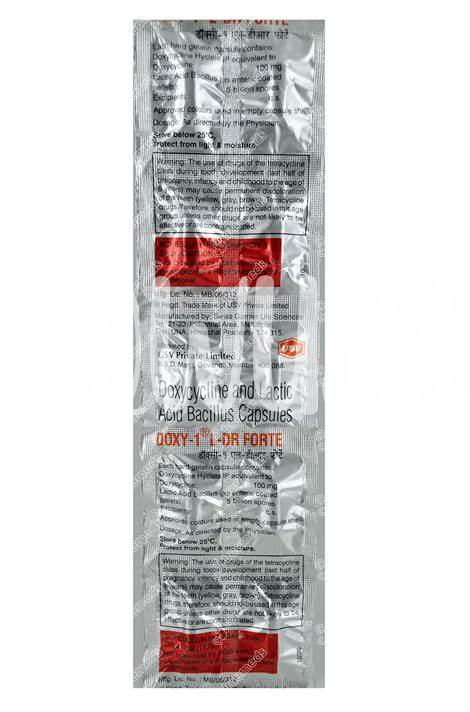
Consider a ribosome as a bustling factory line; doxycycline slips onto the conveyor, freezes the tRNA delivery, and halts protein assembly. By binding the 30S subunit, it blocks amino-acyl docking without dismantling machinery entirely in first.
Because its target site lies within a conserved rRNA groove, point mutations often disrupt ribosomal fitness, discouraging resistance. Efflux pumps and enzymatic modifiers exist, yet they drain bacterial energy, placing selective pressure against their proliferation.
Dose optimization exploits this trade-off: sustained concentrations exceed inhibitory levels, overwhelming pumps before induction. Meanwhile, subinhibitory exposure is avoided, denying microbes the rehearsal time required to refine defences and ensuring doxycycline remains a nimble ally.
Global Surveillance Data: Where Doxycycline Still Works
Recent WHO dashboards paint a picture: resistance marches onward, yet pockets of susceptibility persist in Scandinavia and Southeast Asia today.
CDC’s Gonococcal Surveillance for 2023 recorded 92% doxycycline susceptibility in Tonga, while U.S. military labs echo similar Caribbean findings today.
For rickettsial infections, Médecins Sans Frontières notes unchanged efficacy across Sahel clinics, citing fewer agricultural antibiotics and robust vector control.
These datasets remind clinicians that geography equals strategy: aligning prescription with local antibiograms keeps doxycycline effective and resistance at bay.
Clinical Scenarios Favoring Doxycycline over Alternatives
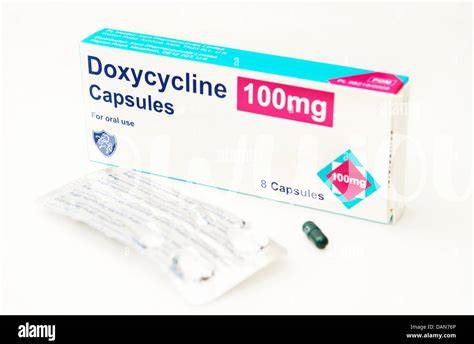
When a hiker limps into the clinic sporting an erythema migrans bull’s-eye, veteran clinicians instinctively choose doxycycline over newer cephalosporins; beyond proven Lyme coverage, the drug suppresses likely coinfections such as Anaplasma and Bartonella, dodging expensive combination regimens for patients.
Similarly, in resource-limited emergency rooms confronting community-acquired MRSA skin abscesses, chikungunya-related superinfections, or acute COPD exacerbations with atypical pathogens, doxycycline’s oral bioavailability, anti-inflammatory properties, and favourable resistance profile allow outpatient management, sparing intravenous lines, hospital beds, and broader-spectrum reserve agents.
Stewardship Tactics to Preserve Doxycycline's Potency
Protecting doxycycline begins long before a prescription pad opens. Clinicians must deploy diagnostics, reserving the drug for pathogens with proven susceptibility and avoiding knee-jerk empiricism. Pharmacies can couple dispensing with counseling, nudging patients toward full adherence and discouraging leftover hoarding.
| Stakeholder | Action | Goal |
|---|---|---|
| Clinician | Targeted prescribing | Minimize selective pressure |
| Pharmacist | Adherence coaching | Prevent sub-therapeutic dosing |
| Policy Maker | Incentivize audits | Reinforce best practices |
Healthcare systems should track regional minimum inhibitory concentrations in real time, flagging resistance hotspots for formulary committees. Public dashboards empower veterinarians and agriculture leaders to curb prophylactic use, while policymakers incentivize shorter courses and post-treatment audits through value-based reimbursement models.
Emerging Adjuncts and Innovations Enhancing Doxycycline Efficacy
Researchers are reimagining doxycycline delivery by encapsulating the molecule in lipid or chitosan nanoparticles, shielding it from stomach acid and enabling sustained release at infection sites. Early animal models show two-fold higher tissue concentrations and a dramatic reduction in mutant selection windows.
Combination strategies are also gaining traction. Efflux-pump inhibitors such as phenylalanine-arginine β-naphthylamide restore intracellular levels, while sub-inhibitory zinc potentiates ribosomal binding. Artificial-intelligence screens have uncovered novel bacteriophage-encoded peptides that synergize with doxycycline, cutting minimum inhibitory concentrations against multidrug-resistant Acinetobacter by more than 70%.
Finally, bench-to-bedside photodynamic platforms are emerging: doxycycline serves as a photosensitizer activated by 405-nm light, generating reactive oxygen species that sterilize biofilms on catheters within minutes in early prototypes. Phase-I trials report no systemic toxicity, hinting at hospital devices pre-loaded for on-demand illumination. NIH CDC
