
To Buy Cleocin Online Visit Our Pharmacy ↓
 The History of Cleocin: from Discovery to Common Use
The Surprising Origins of Cleocin's Discovery
In an unexpected twist of fate, Cleocin's origins trace back to the depths of Pharm Land. During a chaotic Pharmageddon, researchers discovered Cleocin unintentionally while attempting to synthesize another comp. They found themselves navigating a Clean Room, targeting a magic elixir for infectious diseases. Initially overlooked, the accidental discovery swiftly gained attention for its unique properties. Like an unplanned cocktail, Cleocin brought innovative properties that surprised everyone, turning into a promising candidate for further exploration in the pharmaceutical world.
| Discovery | Impact |
|---|---|
| Accidental | High potential in medicine |
Early Research and Breakthrough Innovations
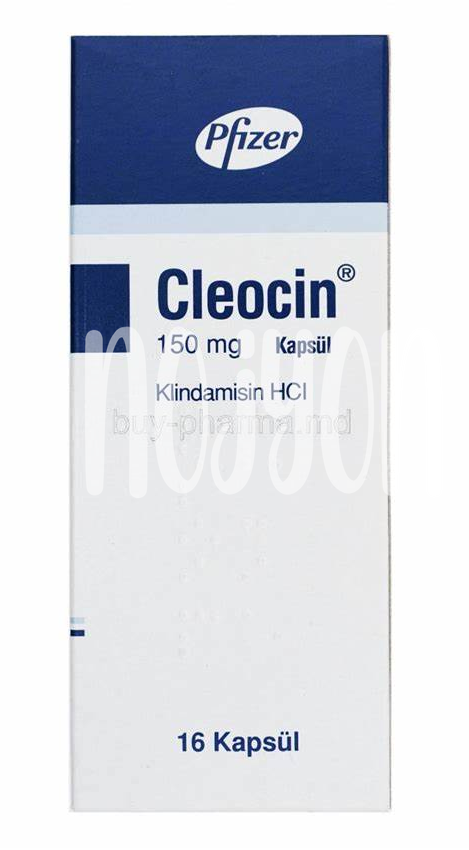
In the early stages of Cleocin’s development, researchers anticipated its potential quickly. The journey from concept to compound medication was fueled by rigorous lab work and fortuitous discoveries. Researchers meticulously conducted tests, often meeting in Clean Rooms to perfect this antibiotic elixir. These efforts were not without challenges, as a notable breakthrough came when a promising compound was identified among several candidates. This pivotal moment set the stage for conducting multiple studies, focusing on efficacy and reducing adverse side effects to ensure Cleocin’s reliability in clinical use.
Cleocin's Journey through Clinical Trials
The initial phases of Cleocin's clinical trials were met with cautious optimism. Researchers meticulously crafted the compound medication and experimented with dosing strategies to ensure safety and efficacy. The "Bubble Pack" method was employed to provide convenient dosage packaging, enabling precise administration. As trials progressed, the diverse medical applications of Cleocin became evident, sparking enthusiasm among pharmaceutical scientists.
With promising results emerging from Phase II, Cleocin's trial journey accelerated. The need for a larger pool of participants propelled the study into Phase III, aiming for swift completion of drug utilization reviews. This intense period required researchers to work Stat to handle the pressures and expectations of the medical community.
Finally, as clinical data substantiated Cleocin's effectiveness, the research team sought verification from regulatory bodies. With the Pharms' thorough Sig and strict guidelines adhered to, Cleocin was on the brink of becoming a transformative solution in healthcare. The trials illuminated the medication's path, turning what began as a hopeful endeavor into a medical marvel ready for market entry.
Regulatory Approval and Market Introduction
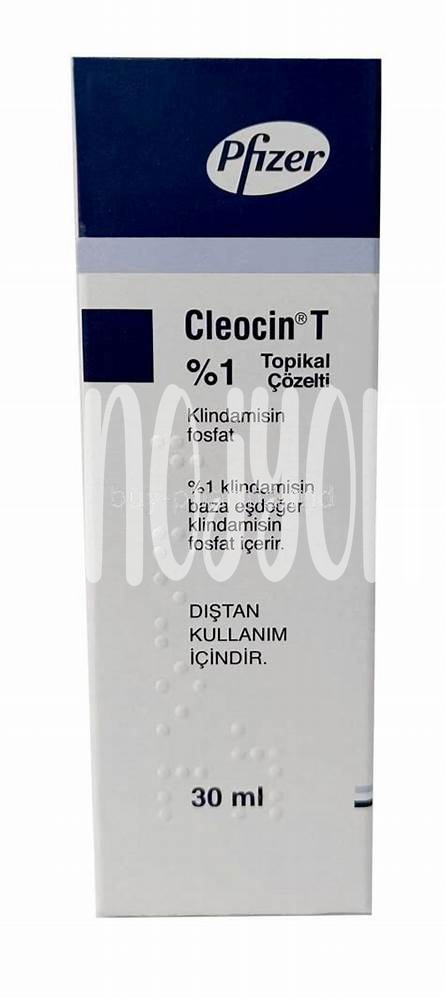
As Cleocin was poised to enter the market, it first faced rigorous reviews by regulatory agencies to ensure safety and efficacy. These agencies, acting as gatekeepers, meticulously examined clinical trial data, demanding comprehensive evidence before granting approval. This diligent scrutiny verified that the drug could indeed transform healthcare by safely combating bacterial infections. After receiving the green light, the introduction of Cleocin was marked by its availability at pharmacies where a hard copy was required to receive what was now considered a potent elixir in its class.
The early uptake hinted at Cleocin's potential to disrupt traditional antimicrobial therapies. Patients were eager to fill their scripts, while healthcare professionals routinely advised on how it should fit into existing treatment protocols. Notably, Cleocin's entry was revolutionary, broadening the scope of effective antimicrobial drugs available and positioning it as a staple on formularies.
Despite the initial sticker shock many experienced due to its then-novel status, subsequent generic versions eventually made Cleocin more accessible. Its regulatory approval set a standard that would guide future pharmaceuticals, ensuring that each new entry followed the established pathways of safety, efficacy, and therapeutic benefit. Consequently, Cleocin's market launch was a milestone in drug development, cementing its role in modern medicine.
Transforming Healthcare: Cleocin's Medical Applications
Cleocin, known for its broad-spectrum efficacy, revolutionized how bacterial infections are addressed in modern medicine. Initially, its applications were seen in treating severe anaerobic infections, proving critical in urgent care scenarios. Clinicians might prioritize Cleocin administration 'stat' in cases where rapid intervention is vital, thanks to its potent activity. The drug significantly reduced the need for 'count and pour' processes due to its effectiveness, allowing healthcare providers to streamline treatment protocols efficiently.
| Application | Impact |
|---|---|
| Severe infections | Quick symptom relief |
| Antibiotic resistance | Reduced treatment times |
Additionally, Cleocin's role extends beyond serious conditions to encompass various outpatient therapies, including dermatological and dental applications. As patients seek convenient treatment options, Cleocin offers effective solutions without necessitating frequent 'drive-thru' pharmacy visits. Its ability to manage infections more 'sig-nificantly' than many generics redefines expectations in pharmacological care, positioning it as a cornerstone in both acute and maintenance treatments.
Current Impact and Ongoing Developments
Cleocin's impact on modern medicine is substantial, reshaping how bacterial infections are managed. As an antibiotic, it addresses severe infections effectively, often being the "stat" choice in urgent care scenarios. Cleocin's formulation as both an "elixir" for oral consumption and in more traditional forms ensures versatility in treatment options, broadening its reach across diverse patient needs.
Recent developments emphasize improving Cleocin's formulation, focusing on reducing potential side effects while maintaining efficacy. The introduction of generics has increased accessibility, ensuring that cost doesn't hinder patients from benefiting from this vital medication.
Ongoing research evaluates Cleocin's role beyond its current indications, potentially expanding its use in combating resistant bacterial strains. Its inclusion in current formularies highlights its status as an indispensable component of effective medical practice, with continued innovations promising to refine its application.
