
To Buy Amoxicillin Online Visit Our Pharmacy ↓
 Amoxicillin and Drug Interactions: What You Should Know
Understanding Amoxicillin: What It Is and How It Works
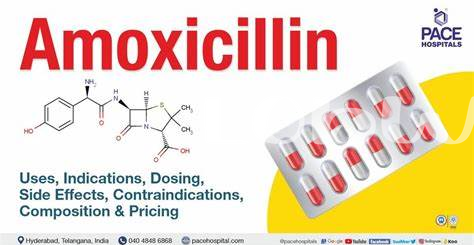
Amoxicillin, a widely used antibiotic, serves as a resilient warrior against bacterial infections. Born from the penicillin family, it fights by preventing bacteria from forming cell walls, a crucial component for their survival. This action renders the bacteria unable to multiply and eventually leads to their demise. Unlike some antibiotics, amoxicillin is active against a broad spectrum of bacteria, making it a versatile choice for treating various infections from the ears, nose, throat, to skin and urinary tract.
Amoxicillin is often prescribed because of its efficacy and safety profile. However, its potency is not universal; it's ineffective against viral infections. Hence, it's crucial for healthcare providers to conduct a thorough diagnosis before prescribing it to ensure the right treatment path. Amoxicillin’s action is time-dependent, meaning regular dosing is essential for maintaining adequate drug levels in the body to effectively battle infections.
The beauty of amoxicillin lies in its ability to tackle persistent infections with minimal side effects for most people. It's commonly available in different forms, such as capsules, tablets, and liquid suspensions, making it accessible for various patient needs. Despite its strength, understanding the nuances of its function and use helps maximize its benefits while minimizing the chances of bacterial resistance developing.
| Form | Dosage | Use |
|---|---|---|
| Capsules | 250 mg / 500 mg | Adults & Older Children |
| Tablets | 500 mg / 875 mg | Adults & Older Children |
| Liquid Suspension | 125 mg/5 ml or 250 mg/5 ml | Children |
Common Medications That Interact with Amoxicillin
When considering multiple medications, it's important to recognize potential interactions. For instance, amoxicillin can have interactions with anticoagulants like warfarin, potentially affecting blood clotting and increasing the risk of bleeding. Additionally, drugs like allopurinol, often used for gout, might enhance the possibility of a rash when taken with amoxicillin.
Another noteworthy interaction involves methotrexate, a medication commonly prescribed for cancer or autoimmune diseases. Amoxicillin can interfere with methotrexate clearance from the body, potentially leading to toxic levels. It's crucial to inform healthcare providers about all medications you’re taking, ensuring they can manage any possible interactions effectively. Staying informed leads to safer and more effective treatment outcomes.
Amoxicillin and Over-the-counter Drugs: Cautions to Note
When considering the use of amoxicillin alongside over-the-counter medications, it's crucial to be aware of potential interactions that may reduce its effectiveness or lead to unwanted side effects. Non-steroidal anti-inflammatory drugs (NSAIDs) like ibuprofen, for example, can sometimes mask signs of infection, making it difficult to gauge amoxicillin's progress.
Additionally, antacids and certain supplements containing magnesium or aluminum can interfere with the absorption of amoxicillin when taken simultaneously. These compounds may hinder the drug’s ability to be absorbed into the bloodstream effectively.
Therefore, it is advisable to schedule your intake of over-the-counter medications a few hours apart from your antibiotic, ensuring amoxicillin can work optimally. Always consult with healthcare professionals about any substances you're ingesting concurrently with antibiotics.
Herbal Supplements and Amoxicillin: Potential Risks Explained

Navigating the landscape of herbal supplements while on amoxicillin requires awareness and caution. Herbal products, often perceived as benign, can alter how this antibiotic functions. For instance, St. John's Wort is well-known for affecting the metabolism of various drugs, potentially reducing the effectiveness of amoxicillin. Similarly, supplements like Echinacea, used for boosting immunity, might exacerbate side effects or provoke unwelcome reactions.
It's crucial to recognize that herbal supplements lack the stringent regulations applied to pharmaceuticals, leading to variability in potency and composition. Therefore, when combining amoxicillin with herbal remedies, consultation with a healthcare professional is vital to ensure safe consumption and optimal therapeutic outcomes.
How Alcohol and Food Affect Amoxicillin Efficiency
While amoxicillin is a widely used antibiotic because of its efficacy in treating bacterial infections, certain lifestyle factors such as alcohol and diet can influence its effectiveness. Consuming alcohol while taking amoxicillin doesn't cause harmful interactions, but it may hinder your body's ability to recover from an infection. Drinking can exacerbate common side effects like dizziness or upset stomach, making your healing process slower and less comfortable.
Food, on the other hand, can play a supportive role. Taking amoxicillin with food can reduce potential stomach upset and help your body maintain stable absorption rates. A balanced diet ensures you have essential nutrients that promote healing and bolster your immune response.
| Factor | Impact on Amoxicillin |
|---|---|
| Alcohol | May intensify side effects; slows recovery |
| Food | Reduces stomach upset; supports stable absorption |
Understanding how both alcohol and dietary habits can impact your medication can empower you to make informed decisions that enhance the antibiotic's effectiveness. Balancing medication with mindful consumption can make a significant difference in your overall recovery experience.
Safety Tips for Managing Multiple Medications with Amoxicillin
Navigating the world of medications can be tricky, especially when you are prescribed amoxicillin alongside other drugs. First, always keep an updated list of all medications and supplements you are taking. This helps your healthcare provider to effectively avoid prescribing drugs that might interact poorly with amoxicillin. Engaging in an open conversation with your doctor or pharmacist about potential interactions is key. They can provide detailed insights into what combinations to steer clear of and identify substitutes if needed. Moreover, time management is crucial; understanding when to take each medication helps in minimizing negative interactions. Lastly, closely monitor for any unexpected side effects and report them to a healthcare professional immediately.
For more detailed information, check these resources: National Center for Biotechnology Information and MedlinePlus.
