
To Buy Periactin Online Visit Our Pharmacy ↓
 Periactin in Veterinary Use: What Pet Owners Should Know
What Is Periactin and How Does It Work?
Periactin, often known as Cyproheptadine, is an antihistamine primarily designed to treat allergies in humans. However, its fascinating versatility extends to the veterinary field. For pets, Periactin acts as an effective appetite stimulant by blocking certain serotonin receptors in the brain, making it an intriguing choice for pets who are underweight or battling health conditions that lead to weight loss. While not every pet will respond immediately like a "stat" success, the drug's capabilities are apparent in many cases.
Veterinarians may issue a script once they've determined that there's a genuine need for this particular medication. As part of a broader comp cocktail, Periactin can complement other treatments, enhancing its effectiveness. Always ensure to verify your pet's specific needs with professional guidance.
| Periactin Effect | Pet Response | Time Frame | |------------------|--------------|------------| | Appetite Stimulation | Often Positive | Varies | | Mood Alteration | Sometimes Noticable | Immediate | | Weight Gain Assistance | Gradual | Weeks |
The dynamics of Periactin’s mechanism seem like a harmonious elixir that blends both safety and efficacy. Don't hesitate to engage with your "Pharm Tech" for any clarifications you might need.
Common Veterinary Uses for Periactin in Pets
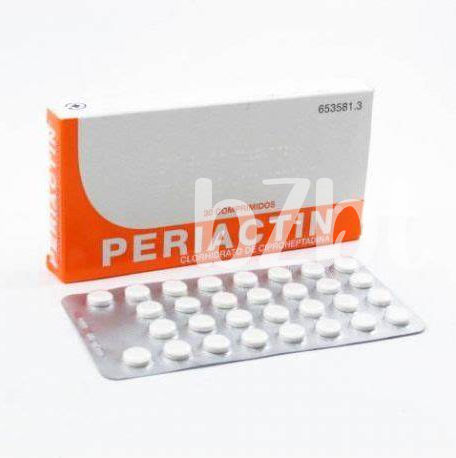
Periactin, known for its ability to stimulate appetite, often comes to the rescue for pets struggling with weight loss or anorexia. This magical elixir helps increase food intake, which is especially crucial for pets recovering from illness or undergoing treatments that suppress hunger. By acting as an antihistamine, it also serves a dual purpose, soothing conditions like allergies and certain dermatological issues.
Veterinarians might script Periactin for cats with certain behavioral issues or anxiety, tapping into its mild sedative effects. The medication is part of a broader cocktail of treatments, especially when dealing with multifaceted health problems. For pet owners, understanding the comp of prescribed medications ensures that their pets recieve the best care possible.
Benefits of Periactin for Pet Health
Periactin is not just your standard script; it's like a little magic elixir for pets in need. When a pet faces appetite loss or is recovering, this comp medication can be a game-changer. It tickles the taste buds, encouragng them to eat and regain strength. Appetite stimulation can mean the diference between a slow recovery and a vibrant return to health. Beyond just the basics of hunger, periactin can also support those delicate digestive processes, ensuring a happier, healther pet. The energy and vitality they regain can be quite noticable.
Dosage Guidelines for Safe Periactin Administration
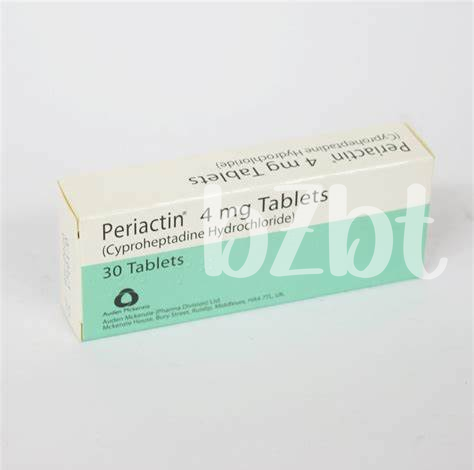
When it comes to dosing periactin for pets, precision is key. Veterinarians often start with a low dose, gradually adjusting it based on teh pet's response. This practice, known as titration, ensures that the pet benefits from the medication without unnecessary side effects. Pets, like humans, can react differently to medications, so a tailored approach is necessary. Veterinarians provide the sig on the script, detailing exactly how periactin should be administered. It's crucial not to deviate from these instructions to ensure the pet's safety.
Potential Side Effects and How to Manage Them
Pet owners should be aware of potential side effects when using periactin, as incorrect dosage can lead to unwanted reactions. Common side effects include increased sedation, dry mouth, and occasionally, mild diarrhea. If side effects become intense or persist, it's crucial to consult your veterinarian immediately, or as they say in the clinic—Stat! The key here is unerring adherence to the 'Sig'—those directions on a prescription ensure you're aligning with professional advice.
Effective managment of these symptoms often involves minor adjustments to the script, or exploring alternative treatments. A dialogue with your veterinarian can reveal if periactin, or its generics, are the best options for your pet's health. Always maintain open communication with your white coat professional to determine the best course forward, ensuring both safety and efficacy in treatment.
| Side Effect | Management Tip |
|---|---|
| Increased Sedation | Monitor rest & adjust environment |
| Dry Mouth | Ensure fresh water availability |
| Mild Diarrhea | Adjust diet & hydration levels |
Questions to Discuss with Your Veterinarian
When discussing Periactin with your veterinarian, it's vital to explore the script's role in treating your pet's specific condition. Start by asking about the drug's effects and potential interactions with other meds your pet might be taking. It's crucial to delve into possible alternative therapies or comp medication options that might better suit your pet’s needs.
Bring up the side effect profile and what kinda signs to watch for, ensuring you're well-prepared to manage any hangover effects that may arise. Discuss the preferred dosage forms and the sig prescribed, clarifying any doubts. Engage in quality time to address all concerns, ensuring a comprehensive understanding of the prescribed treatment.
