
To Buy Pepcid Online Visit Our Pharmacy ↓
 Pepcid Dos and Don’ts: Tips for Safe Use
Understanding Pepcid: What It Does and How It Works
Pepcid, a brand name for famotidine, is a medication primarily used to manage and prevent symptoms of acid reflux and related gastrointestinal issues. It belongs to a class of drugs called H2 blockers, which work by reducing the amount of acid your stomach produces. By blocking histamine's effect on stomach lining receptors, Pepcid effectively decreases acid production and alleviates symptoms like heartburn and indigestion.
| Aspect | Details |
|---|---|
| Drug Class | H2 Blocker |
| Main Use | Reduces stomach acid |
| Action | Blocks histamine on stomach receptors |
Its effectiveness hinges on its ability to prevent acid overproduction, thus easing discomfort and preventing damage to the esophagus. Understanding its mechanism can better inform its use in treating a variety of acid-related conditions.
When to Take Pepcid: Ideal Timing and Dosage
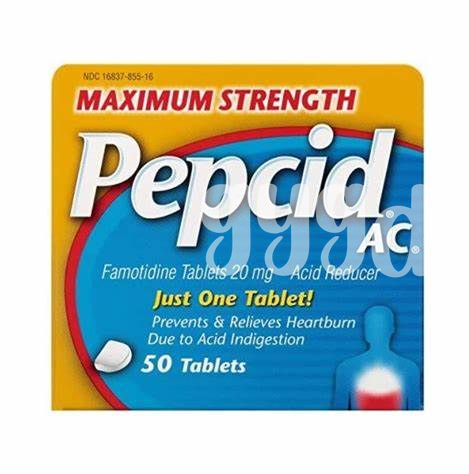
To maximize Pepcid's effectiveness, consider when and how you take it. Ideally, Pepcid should be taken 15 to 60 minutes before consuming foods or beverages that may cause heartburn. This proactive approach helps block the acid before it starts. For those on a regular dosage, maintaining a consistent schedule is crucial—this might mean taking it at the same times each day. Individual doses vary, so adhere to your healthcare provider's recommendations to avoid unnecessary complications or reduced effectiveness.
Foods and Drugs to Avoid While Taking Pepcid
While Pepcid is commonly used to manage heartburn and acid indigestion, pairing it with certain foods and drugs can lessen its effectiveness or increase the risk of side effects. One critical combination to avoid is Pepcid and alcohol. Alcohol can irritate the stomach lining and exacerbate the very symptoms Pepcid is meant to alleviate. Additionally, caffeine-rich foods and beverages, including coffee and chocolate, may provoke gastric acid production, countering the intended effects of the medication.
Drug interactions can pose significant risks as well. Prescription medications like ketoconazole or certain antacids may alter how your body absorbs Pepcid, potentially diminishing its efficacy. Over-the-counter drugs, such as aspirin, might exacerbate gastrointestinal discomfort, negating Pepcid's benefits. Always check with a healthcare provider to ensure any other medications you're taking won't interfere. Prioritizing careful management of potential interactions enhances the safety and efficacy of your treatment with Pepcid.
Recognizing and Managing Pepcid Side Effects Safely

While Pepcid is generally well-tolerated, users may experience mild side effects such as headache, dizziness, or constipation. It's important to stay vigilant and report any unusual reactions to your healthcare provider promptly. To manage these side effects safely, ensure you are hydrating properly and maintaining a balanced diet, which can help alleviate symptoms like constipation. If dizziness occurs, avoid driving or operating heavy machinery. Always keep an open line of communication with your doctor, allowing them to assess any risks related to continued Pepcid use.
Common Mistakes: What Not to Do with Pepcid
Navigating the use of Pepcid can be straightforward, yet certain common pitfalls can disrupt its effectiveness. One frequent mistake is inconsistent dosing. To optimize the benefits, taking Pepcid at the same time each day as directed by your healthcare provider is crucial. Skipping doses or taking double doses to compensate can alter its efficacy and potentially cause adverse effects. Moreover, some individuals mistakenly substitute Pepcid for quick-relief antacids, overlooking that Pepcid is intended for longer-lasting relief.
Another mistake is mixing Pepcid with substances that may interfere with its absorption or effectiveness. **Avoid consuming alcohol** or excess caffeine, as these can upset your stomach lining and counteract Pepcid's benefits. Additionally, some assume that combining Pepcid with other acid-reducing medications will amplify results, but such combinations can lead to unintended consequences due to overlapping effects.
| Common Mistakes | Potential Consequences |
|---|---|
| Inconsistent Dosing | Altered Efficacy |
| Combining with Other Medications | Unintended Overlap |
| Consumption of Alcohol or Excess Caffeine | Reduced Effectiveness |
Always ensure you understand the specific instructions for taking Pepcid, such as taking it with or without food. Finally, neglecting to consult with a healthcare provider for personalized advice, especially when symptoms persist or new medications are introduced, can lead to misuse and further complications.
Consult Your Doctor: Personalized Advice for Pepcid Use
Navigating the world of medications can be complex, and Pepcid is no exception. Your individual health history and current medications play a significant role in determining whether Pepcid is right for you. For example, if you're on blood thinners or have a history of kidney issues, it's vital to inform your healthcare provider. They can tailor advice specific to your needs, ensuring that Pepcid doesn't interfere with your other treatments or exacerbate existing conditions.
Moreover, your doctor's guidance can help optimize the timing and dosage of Pepcid, maximizing its benefits while minimizing potential risks. This personalized advice is essential for safe and effective treatment, offering peace of mind in your healthcare journey.
