
To Buy Zocor Online Visit Our Pharmacy ↓
 How Zocor Works: a Deep Dive into Its Mechanism
Understanding Zocor: Basic Overview and Background
Zocor is a widely prescribed medication primarily used to manage high cholesterol levels. Originally developed by Merck & Co., it's part of the statin family, which also includes drugs like Lipitor and Crestor. Zocor's active ingredient, simvastatin, works by targeting specific enzymes in the liver responsible for cholesterol production. By inhibiting these enzymes, Zocor effectively lowers the levels of Low-Density Lipoprotein (LDL) cholesterol, commonly referred to as 'bad' cholesterol, while potentially raising High-Density Lipoprotein (HDL) cholesterol or 'good' cholesterol. Since its introduction to the market, Zocor has played a crucial role in cardiovascular medicine. Its FDA approval underscores its proven efficacy and safety, making it a staple in the therapeutic arsenal against heart disease.
| Brand Name | Generic Name | Drug Class | Primary Use |
|---|---|---|---|
| Zocor | Simvastatin | Statin | Cholesterol Management |
The Science Behind Cholesterol and Heart Health
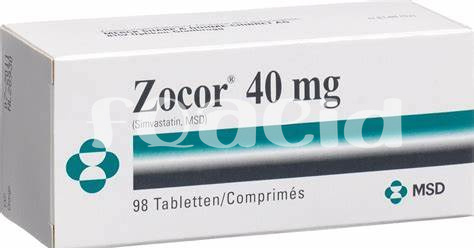
Cholesterol, a type of lipid found in your blood, is essential for building cell membranes and synthesizing certain hormones. However, an imbalance in cholesterol levels can lead to significant health issues. Low-density lipoprotein (LDL) is often dubbed "bad cholesterol" because high levels can form plaques in arteries, leading to heart disease and strokes. High-density lipoprotein (HDL), or "good cholesterol," helps remove LDL from the bloodstream, reducing risks.
Maintaining a balance between LDL and HDL cholesterol is critical for cardiovascular health. Zocor, a statin medication, is specifically designed to address high LDL levels. It plays a pivotal role by reducing the amount of cholesterol your liver produces, thereby helping to prevent the formation of potentially dangerous plaques.
Understanding these biochemical nuances deepens our appreciation for medications like Zocor, which provide a targeted approach to mitigating heart disease risks. By inhibiting key enzymes involved in cholesterol production, Zocor effectively lowers LDL levels and supports overall cardiovascular health, showcasing the significant interplay between biochemistry and medical advancements.
How Zocor Lowers Cholesterol: the Biochemical Pathway
Zocor, chemically known as simvastatin, acts by impeding a crucial enzyme in the liver, HMG-CoA reductase. This enzyme is paramount in the cholesterol biosynthesis pathway, converting HMG-CoA to mevalonate, a key precursor in cholesterol production. By inhibiting this enzyme, Zocor effectively reduces the cholesterol synthesis within the liver. Consequently, this leads to an upregulation of liver LDL receptors, enhancing the clearance of LDL cholesterol from the bloodstream. Thus, the overall cholesterol levels are significantly lowered. The intricacies of this biochemical pathway underscore how Zocor efficiently manages cholesterol levels, consequently reducing the risk of heart disease. This mechanism has made Zocor a trusted name in the statin class.
The Role of Hmg-coa Reductase Inhibition
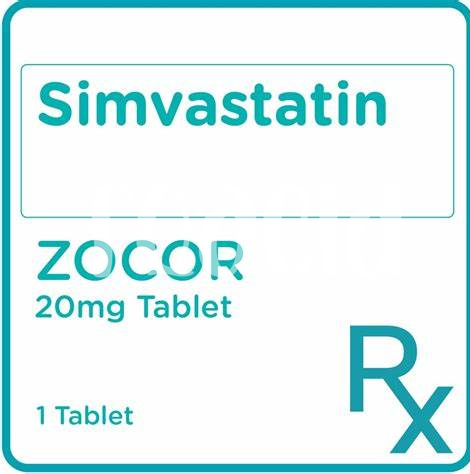
Zocor, a widely prescribed statin, plays a crucial role in the management of cholesterol levels. At the heart of its operation is the inhibition of HMG-CoA reductase, an enzyme pivotal in the body's biosynthesis of cholesterol. This enzyme facilitates the conversion of HMG-CoA to mevalonate, an early and rate-limiting step in the cholesterol production pathway. By binding to HMG-CoA reductase, Zocor effectively reduces the enzyme's activity, leading to a significant decrease in cholesterol synthesis.
Consequently, this reduction in cholesterol production prompts the liver to increase the uptake of LDL (low-density lipoprotein) cholesterol from the bloodstream. LDL is often referred to as "bad" cholesterol due to its association with an increased risk of atherosclerosis and heart disease. By lowering LDL levels, Zocor helps to mitigate these risks, promoting better cardiovascular health overall.
Importantly, the benefits of HMG-CoA reductase inhibition extend beyond just cholesterol management. Zocor’s ability to reduce LDL cholesterol has been linked with a lower incidence of cardiovascular events such as heart attacks and strokes. Clinical trials have consistently demonstrated that patients taking Zocor experience significant improvements in heart health compared to those on placebo or other treatments. This makes Zocor a vital therapeutic tool in the fight against cardiovascular disease.
Clinical Efficacy: What Studies and Trials Reveal
Clinical studies have consistently demonstrated Zocor's effectiveness in lowering LDL cholesterol levels. One landmark trial, the Scandinavian Simvastatin Survival Study (4S), highlighted that patients treated with Zocor experienced a 35% reduction in LDL cholesterol and a 30% reduced risk of heart-related events and mortality. Additional research has corroborated these findings, making Zocor a cornerstone in cholesterol management.
Moreover, the Heart Protection Study (HPS) revealed that Zocor significantly lowered the risk of strokes and other serious vascular events in various patient demographics, including those with high-risk factors. These robust results underscore the clinical efficacy of Zocor in promoting cardiovascular health.
| Study | Findings |
|---|---|
| 4S | 35% reduction in LDL, 30% reduced heart-related events |
| HPS | Lowered stroke and serious vascular event risks |
Patient adherence to Zocor therapy is also crucial. Long-term trials have shown its safety and ability to maintain lower cholesterol levels, thus providing enduring cardiovascular benefits. Comprehensive and continuous research attests to Zocor’s pivotal role in cholesterol management and heart disease prevention.
Potential Side Effects and Safety Considerations
When considering Zocor, it's essential to understand that while it is effective in lowering cholesterol, it can come with certain side effects. Common side effects include headache, nausea, and abdominal pain, which are generally mild and transient. However, there are more serious risks such as liver damage and muscle problems, including myopathy and rhabdomyolysis, which require immediate medical attention.
Due to these potential risks, safety considerations are paramount when prescribing Zocor. It's often recommended that liver function tests be conducted before starting the medication and periodically thereafter. Additionally, patients should be monitored for any unexplained muscle pain or weakness, especially if accompanied by fever or fatigue. Consulting with a healthcare provider for an individualized risk assessment can aid in safely managing and mitigating these potential side effects.
