
To Buy Prevacid Online Visit Our Pharmacy ↓
 How Prevacid Works: a Deep Dive into Its Mechanism
What Is Prevacid and Its Primary Uses?
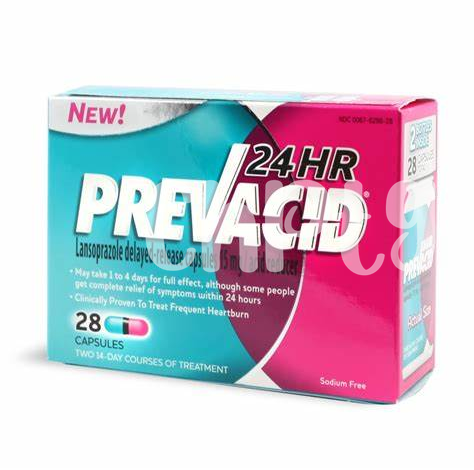
Prevacid, known generically as lansoprazole, is a medication commonly prescribed for treating gastroesophageal reflux disease (GERD) and other conditions caused by excess stomach acid. This proton pump inhibitor (PPI) works by reducing the amount of acid produced in the stomach, thereby alleviating symptoms such as heartburn, regurgitation, and esophageal damage.
| Condition | Symptoms Treated |
|---|---|
| GERD | Heartburn, Regurgitation |
| Peptic Ulcers | Stomach Pain, Burning Sensation |
Prevacid is also helpful in treating conditions like Zollinger-Ellison syndrome, where excessive acid production leads to severe complications. By inhibiting the proton pumps in the stomach lining, Prevacid provides both immediate relief and long-term management of acid-related issues.
Understanding Stomach Acid and Acid Reflux
Imagine your stomach as a cauldron, brewing a potent mix of hydrochloric acid to break down food. This acid is necessary for digestion but can sometimes escape into the esophagus, causing the burning sensation known as acid reflux. The lower esophageal sphincter, which acts as a gatekeeper between the stomach and esophagus, can malfunction, allowing acid to travel upward.
Prevacid steps in to address this issue by reducing the production of stomach acid. By inhibiting certain enzyme activities responsible for acid secretion, Prevacid helps keep the acid levels in check. This not only alleviates the discomfort associated with acid reflux but also aids in preventing damage to the esophageal lining.
Chemical Composition of Prevacid: Breaking It down
Prevacid, known generically as lansoprazole, is a proton pump inhibitor (PPI) primarily used to reduce stomach acid. Its chemical composition is fascinatingly intricate, involving a complex structure that enables its effectiveness. Prevacid is composed of a benzimidazole ring linked to a pyridine ring, which is core to its function.
The drug exists as a racemic mixture of two enantiomers, meaning it has two mirror-image forms, each slightly affecting its binding to enzymes in the stomach lining. When ingested, Prevacid's active ingredient is absorbed and then converted into its active form in the acidic environment of the stomach.
The activated form of Prevacid binds to the H+/K+ ATPase enzyme system, which plays a pivotal role in the final step of gastric acid secretion. By targeting this system, Prevacid effectively diminishes acid production, providing relief from acid reflux and other related conditions.
How Prevacid Inhibits Stomach Acid Production

Prevacid belongs to a class of medications called proton pump inhibitors (PPIs). This medication works by blocking an enzyme system situated in the cells lining the stomach. The enzyme, known as H+/K+ ATPase or the proton pump, is crucial for the final step in the production of gastric acid. By inhibiting this enzyme, Prevacid effectively reduces the amount of acid produced in the stomach.
This reduction in acid production helps to mitigate the discomfort and potential damage caused by acid reflux and conditions like gastroesophageal reflux disease (GERD). Administering Prevacid essentially translates to less acidic digestive juices, which can facilitate healing of the esophagus, prevent ulcers, and offer relief from the constant burning sensation associated with excess stomach acid.
The Role of Enzymes in Prevacid’s Effectiveness
Prevacid's effectiveness can be attributed to its interaction with specific enzymes in the stomach lining. The medication works by targeting the H+/K+ ATPase enzyme, commonly known as the proton pump. By inhibiting this enzyme, Prevacid significantly reduces the amount of gastric acid produced, offering relief from acid-related conditions like GERD and ulcers.
| Enzyme | Role |
|---|---|
| H+/K+ ATPase | Proton pump, reduces gastric acid production |
This targeted approach ensures that Prevacid is not only effective but also minimizes potential side effects by focusing on a specific enzyme system. This enzymatic inhibition is what makes Prevacid particularly effective for long-term acid suppression.
Possible Side Effects and How to Manage Them
Prevacid, like many other medications, can come with a range of side effects. Common issues include headaches, nausea, diarrhea, and abdominal pain. While these symptoms are generally mild and temporary, it's essential to remain vigilant and consult your healthcare provider if they persist. More severe but rare side effects include allergic reactions, indicated by swelling or difficulty breathing, and serious skin reactions.
To manage these side effects, taking Prevacid exactly as prescribed is crucial. Additionally, staying hydrated and maintaining a balanced diet can alleviate gastrointestinal discomfort. If side effects become unbearable, discussing dosage adjustments or alternative treatments with your doctor can provide relief and ensure the effectiveness of your therapy.
